Around Greenacres - Fall 2025
Putting the Garden to Bed
As the growing season comes to a close, the garden team turns its attention to one of the most important tasks of the year: caring for the soil through winter. Bare soil is vulnerable to erosion, nutrient loss, and long-term degradation, so at Greenacres we work to ensure our garden beds are protected during the colder months using what we refer to as “soil armor.”
Soil armor helps safeguard soil health while setting the stage for a productive growing season ahead. In the garden, we rely primarily on two forms of protection: straw mulch and cover crops.
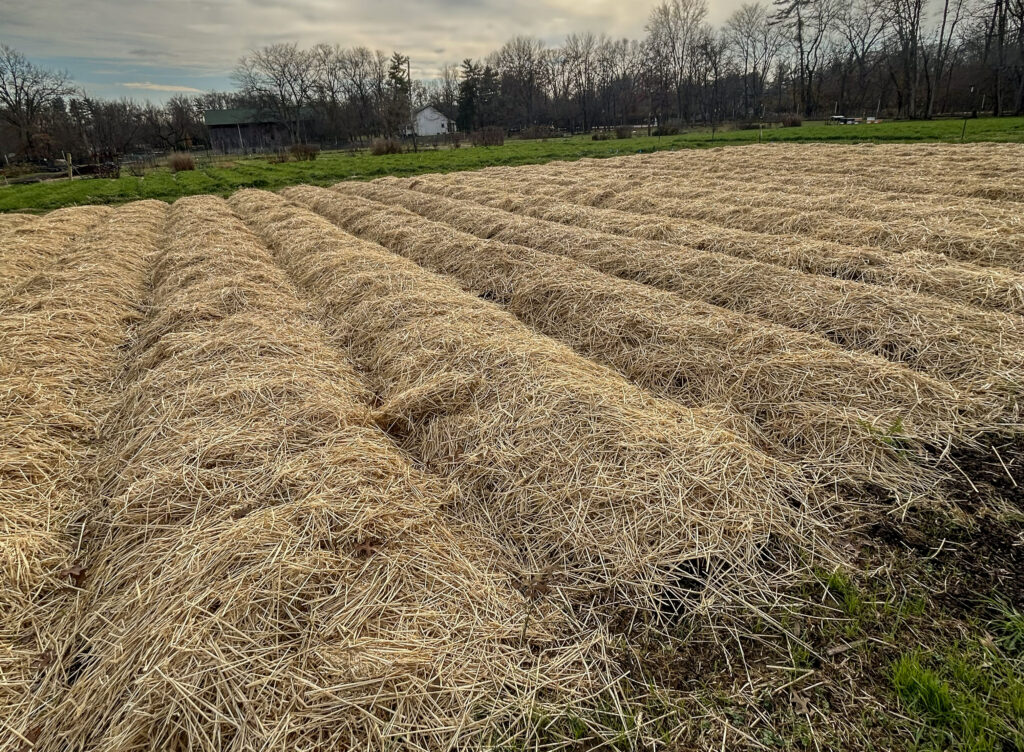
Straw mulch is spread over garden beds to shield the soil from harsh winter conditions. It helps reduce erosion, moderate soil temperature, and protect soil structure. In the spring, the straw is raked off and reused throughout the farm until it naturally breaks down. Once it’s no longer effective as mulch, it becomes part of our compost system—continuing its role in building healthy soil. Straw is especially useful for beds that remain in production later into the fall.
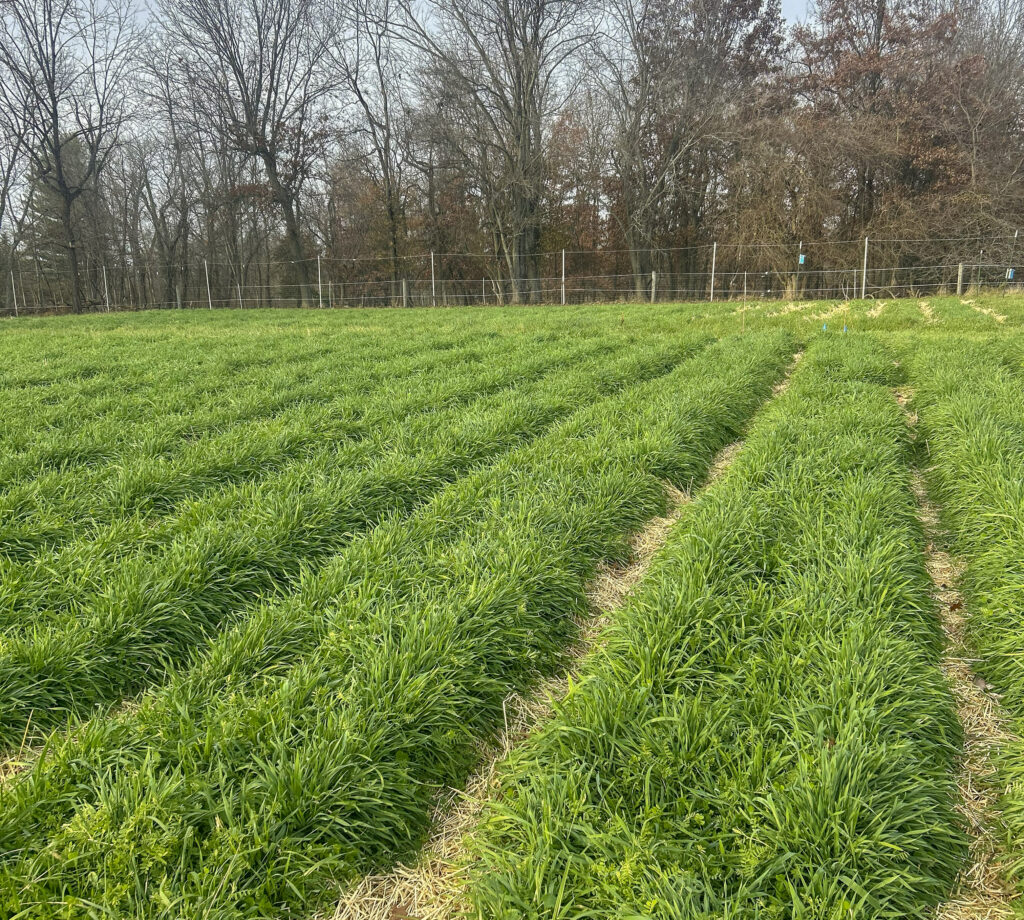
Our preferred soil armor, however, is cover crops. These plantings—typically a mix of grains and legumes—are grown not for harvest, but to support the soil itself. With living roots in the ground, cover crops stabilize soil, feed beneficial microorganisms, reduce compaction, and, in the case of legumes, contribute nitrogen back into the system. Rather than placing protection on top of the soil, we grow it in place.
This fall, the garden team successfully established cover crops across most of our beds. These efforts reflect Greenacres’ long-term commitment to soil stewardship, ensuring the garden is protected through winter and prepared to thrive in the seasons ahead.
This record-breaking summer brought extended heat and dry conditions, making thoughtful soil protection and moisture retention more important than ever as we prepared the garden for winter.
Artist Weekend at Greenacres
This year’s Greenacres Artist Weekend offered a powerful reminder that learning takes many forms—and often begins by slowing down, observing closely, and creating space for reflection. Held over three days at the Greenacres Arts Center, the annual Artist Weekend brought together local artists to create, collaborate, and explore new ideas within a setting shaped by historic architecture, forests, and farmland.
The purpose of Artist Weekend closely aligned with Greenacres’ educational mission: to build community, encourage curiosity, and foster meaningful connections between people and place. By stepping away from daily routines, artists were invited to reconnect with their creative practices, learn from one another, and draw inspiration from their surroundings.
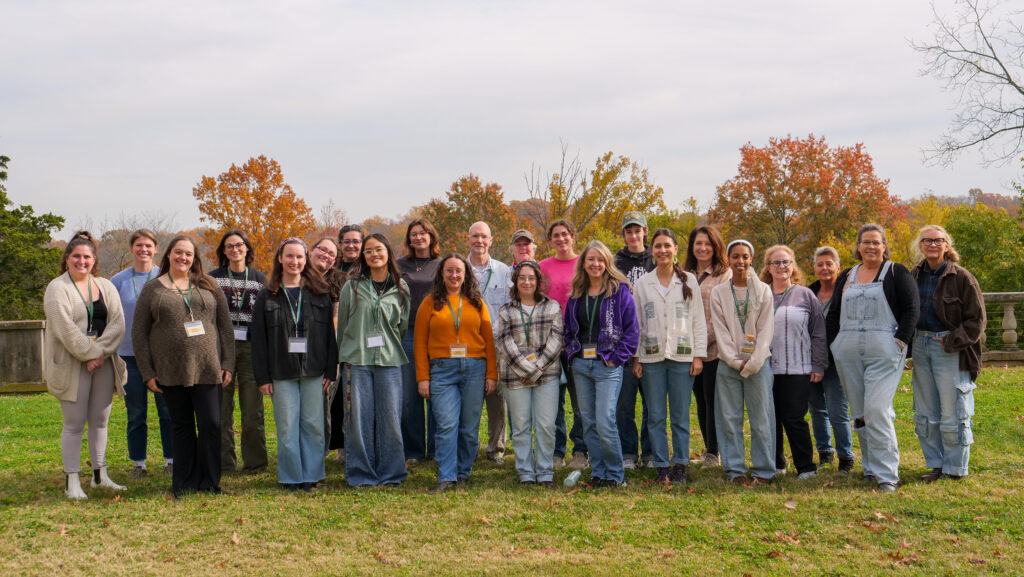
In 2025, the weekend welcomed 23 local artists, ranging from students to established professionals. Participants consistently noted the thoughtful balance of learning, networking, relaxation, and creative exploration—both indoors and outdoors.
Educational components of the weekend included peer-led Sharing Sessions, during which artists shared techniques, creative approaches, and personal processes. Workshops explored themes such as unblocking creativity through abstraction, overcoming the inner critic, and using nature as a direct source of inspiration. Artists learned how to find texture for ceramics in the landscape, forage fallen natural materials for artmaking, and observe their environment with fresh perspective.

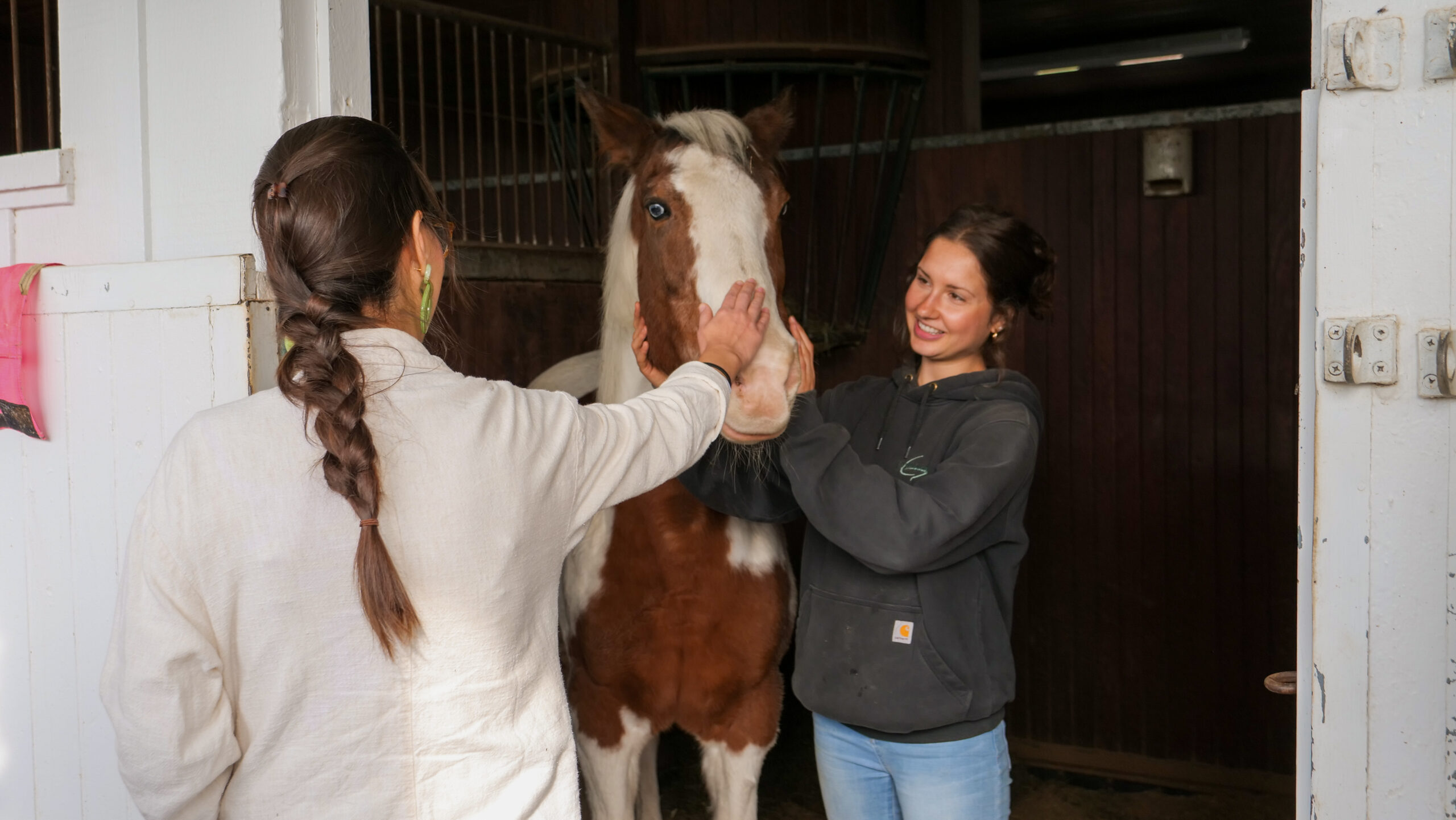
Artists also had the opportunity to join optional tours of the Greenhouse and Stables, which helped them better understand Greenacres as a whole and deepened their connection to the land and its many educational programs.
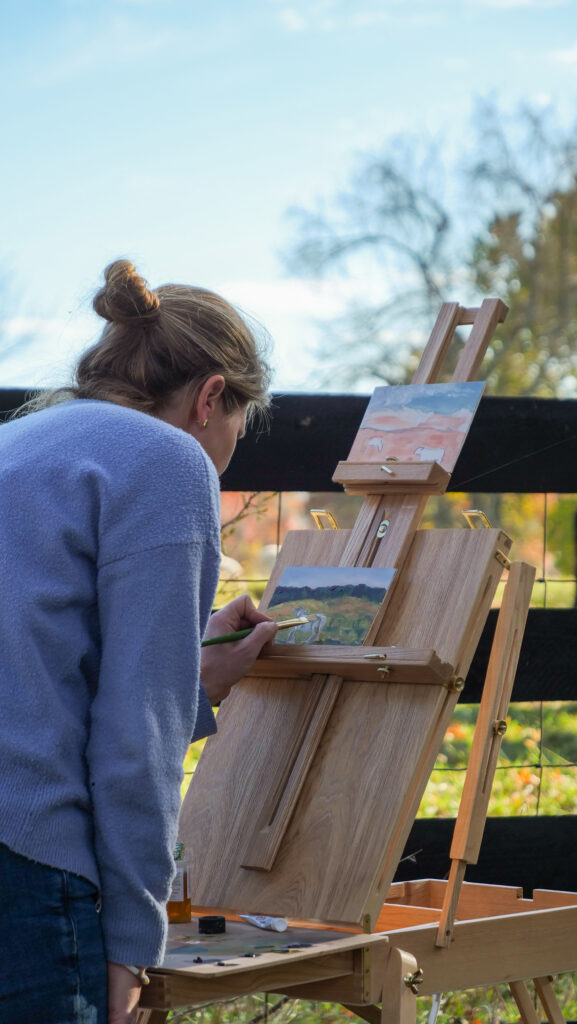
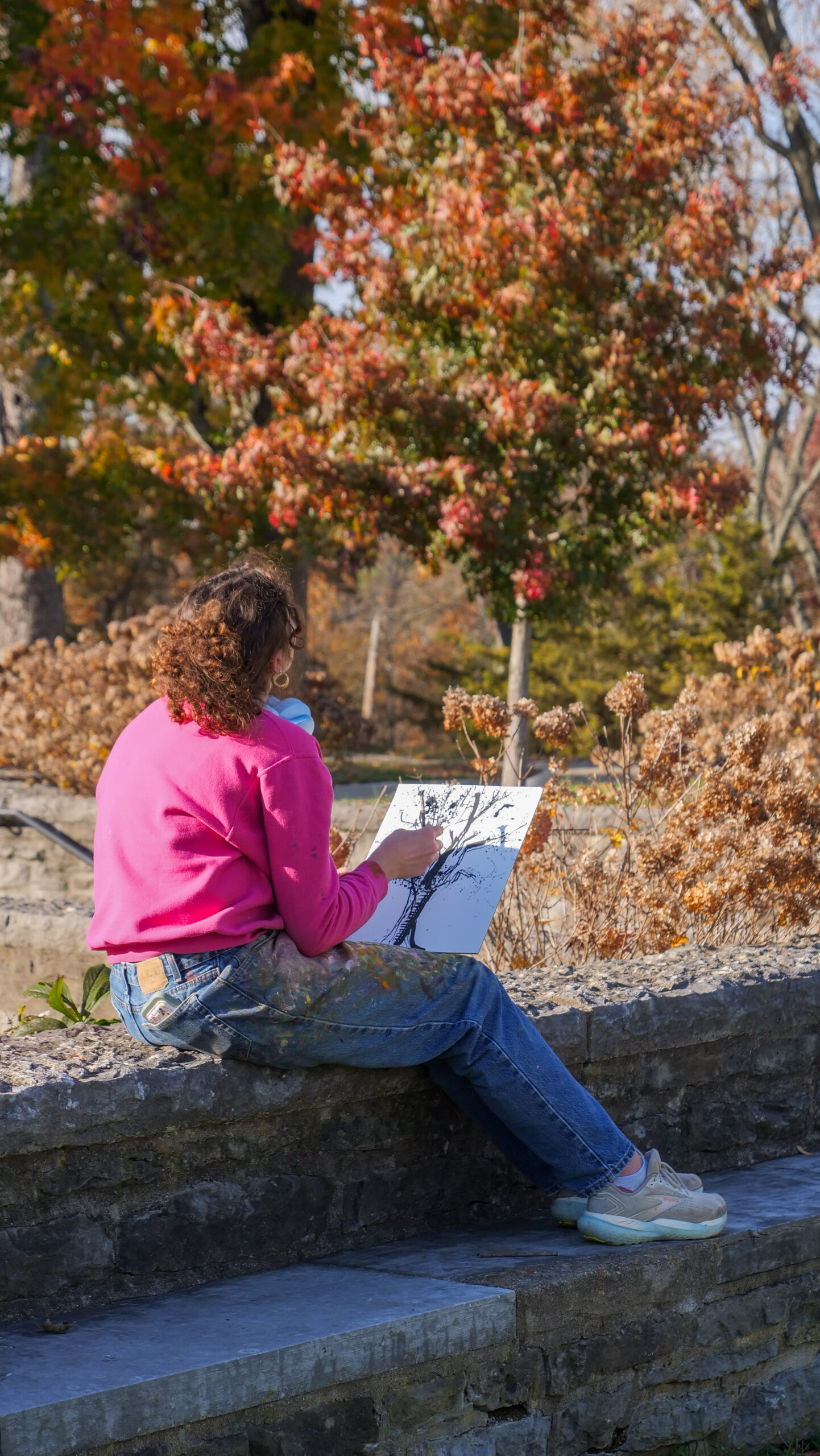
The heart of the weekend was dedicated to Creative Exploration Sessions, which provided uninterrupted time for artists to create, reflect, or simply observe. Throughout the Arts Center grounds, artists were found painting en plein air in the gardens, walking Oakline Drive, working quietly indoors, or gathering for conversation over coffee. This open structure allowed learning to unfold organically through experience and place.
The weekend concluded with a roundtable reflection led by the Greenacres Arts and Education teams, offering space for collective feedback and shared insight. Artists reflected on how the experience shaped their thinking and practice, sharing sentiments such as:
-
-
- “I feel encouraged to think critically about how to change my practice.”
- “The Artist Weekend is a lightning-in-a-bottle moment.”
- “This weekend reminded me that creating art is a valid use of my time.”
-
Looking ahead, work created during the weekend will be featured in an Artist Weekend Exhibition opening in February 2026, on view at the Arts Center through next December. Applications for the 2026 Artist Weekend will open in late spring, welcoming a new group of artists to learn, reflect, and create at Greenacres.
Ponds, Pastures, and Plantings
In October, Greenacres’ Agroecology team led a large-scale restoration planting in the Pond Site Pasture, installing more than 1,500 native grasses and forbs. This project was designed to improve water quality, reduce erosion, enhance habitat, and strengthen the ecological function of the landscape.
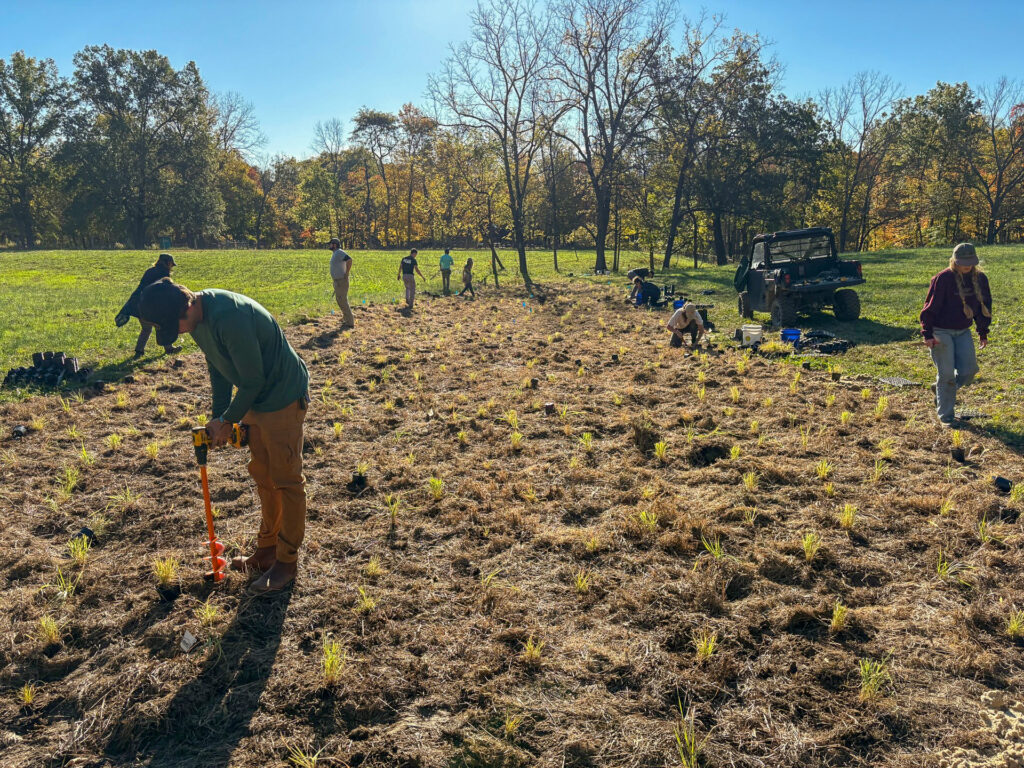
Pasture systems can contribute excess nutrients that move downslope into nearby ponds, increasing the risk of algae blooms and aquatic weed growth. This planting site sits just uphill from Delaware Pond—an important ecological and educational resource at Greenacres. By establishing native vegetation in this area, nutrients are captured before they reach the water, helping to protect and maintain healthy aquatic systems.
Native grasses and forbs also play a vital role in erosion control. During heavy rain events, runoff can destabilize soil, create channels, and carry sediment into downstream waterways. The deep, resilient root systems of native plants help hold soil in place, acting as living infrastructure that reinforces the landscape—much like tree roots along a streambank, but on a pasture scale.
This ambitious project was made possible through collaboration across departments. Staff from Agroecology, Research, Livestock, and Garden came together for a morning of digging, drilling, and planting. What was expected to take all day was completed in just a few hours, reflecting the strength of teamwork and shared stewardship at Greenacres.
As these plantings establish, the site will continue to serve as a working research landscape and a visible example of how thoughtful land management supports soil health, water quality, biodiversity, and education.
Fall Farm to Table Dinner at Nippert Barn
On Thursday, October 23, Greenacres welcomed 50 guests to Nippert Barn for our Fall Farm to Table Dinner, an evening that celebrated seasonal flavors, thoughtful stewardship, and community gathered around the table.
Guests enjoyed a five-course, prix-fixe meal crafted by renowned Cincinnati chef Renee Schuler of eat well, celebrations and feasts, featuring pasture-raised meats and farm-fresh produce harvested at the height of the season. Each course was paired with wines curated by Skurnik Wines & Spirits, creating a seamless harmony of food and drink throughout the evening.
The event unfolded with a cocktail hour and passed appetizers, followed by dinner in the beautifully renovated Nippert Barn. Members of the Greenacres Livestock team were on hand throughout the night, sharing stories about land stewardship, animal care, and the farming practices that make these meals possible, while also helping serve guests.
Feedback from attendees reflected the warmth and care that went into the evening:
-
-
- “The event was absolutely incredible. The food, atmosphere, and the stunning new barn all made for a truly special and memorable evening.”
- “Amazing staff. Amazing food. Amazing wine!”
- “My wife and I had a delightful evening. The wine and the food were outstanding, and everyone who served us was so kind.”
-
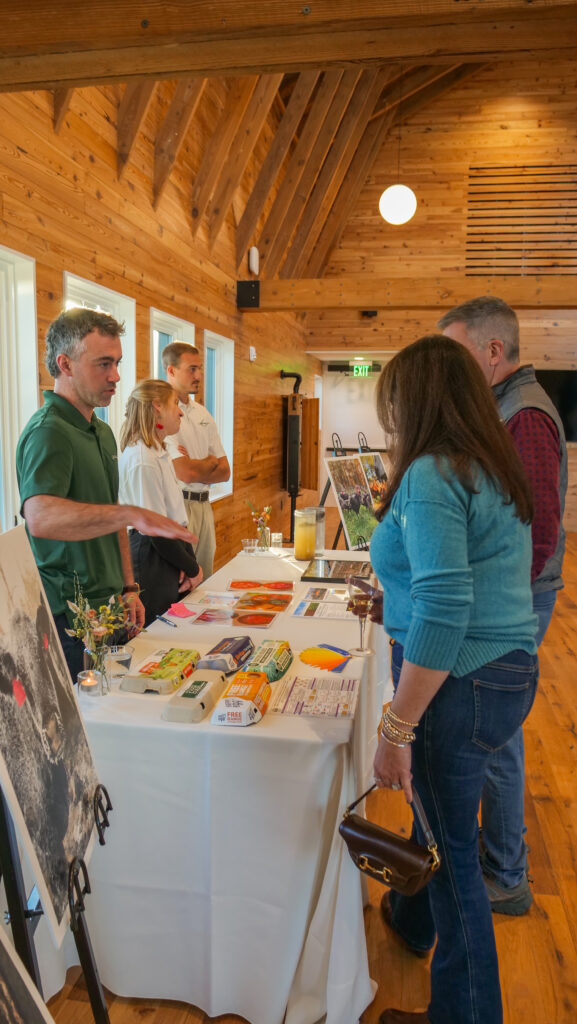
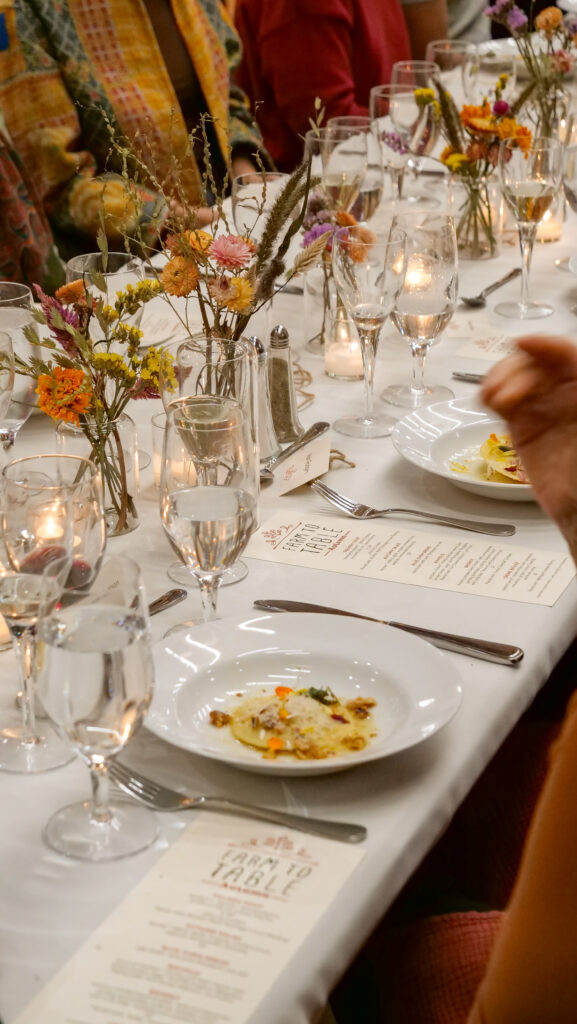
The Fall Farm to Table Dinner highlighted the heart of Greenacres’ events program—bringing people together through meaningful experiences rooted in place, seasonality, and shared appreciation for the land. We are grateful to our partners, staff, and guests who made the evening such a success, and we invite the community to keep an eye on our Events page for additional Farm to Table dinner opportunities coming in 2026.
Exploring Heritage Poultry Breeds
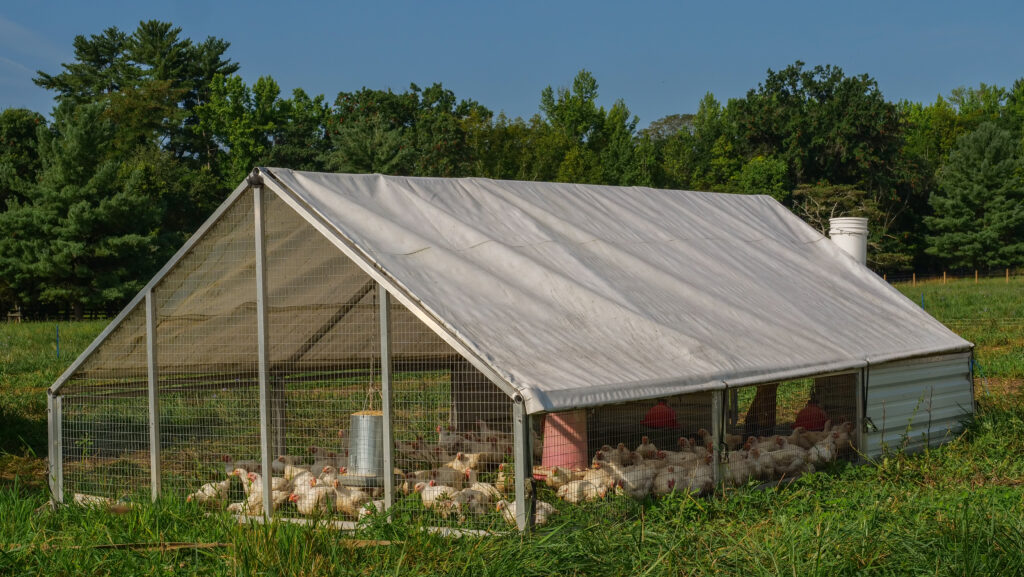
At Greenacres, our livestock work is guided by curiosity and careful observation. While most chicken consumed in the United States comes from a single breed—the Cornish Cross—we wanted to better understand how heritage poultry breeds perform in a pasture-based system and whether they offer meaningful differences in flavor.
In 2025, our Livestock team conducted an on-farm comparison study. Cornish Cross chickens were raised alongside heritage breeds—Rhode Island Red, Buckeye, White Rock, and American Bresse—under the same pasture, feed, and management conditions. The most immediate difference was growth rate. Cornish Cross birds reached harvest size in about seven weeks, averaging a four-pound dressed weight, while heritage breeds required 16 to 20 weeks to reach maturity.
This extended growing period has important implications for farmers. More time on pasture means higher feed use and increased labor, which can only be justified if the end product offers a noticeably different eating experience—and can be sold at a higher price to help recoup production costs.
To explore this question, Greenacres conducted a blind taste test with 24 staff members. Thighs and breasts from each breed were prepared using identical methods and evaluated for tenderness, juiciness, flavor, and overall enjoyment. Participants did not know which breed they were tasting.
The results showed no meaningful difference in overall flavor or enjoyment between the heritage breeds and the Cornish Cross. While heritage chickens carry historical significance and play an important role in agricultural diversity, the Cornish Cross continues to provide the best balance of efficiency, quality, and practicality for pasture-based, generative poultry production at Greenacres.
This study reflects Greenacres’ commitment to testing assumptions, sharing what we learn, and making thoughtful, evidence-based decisions about how we steward animals and land.