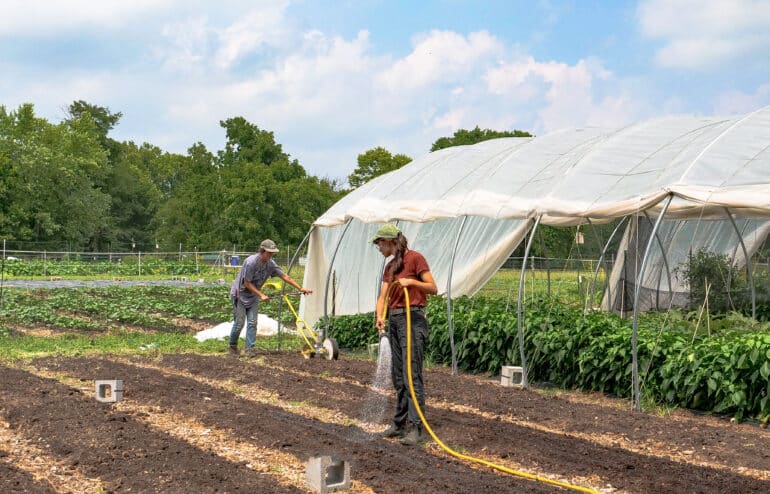
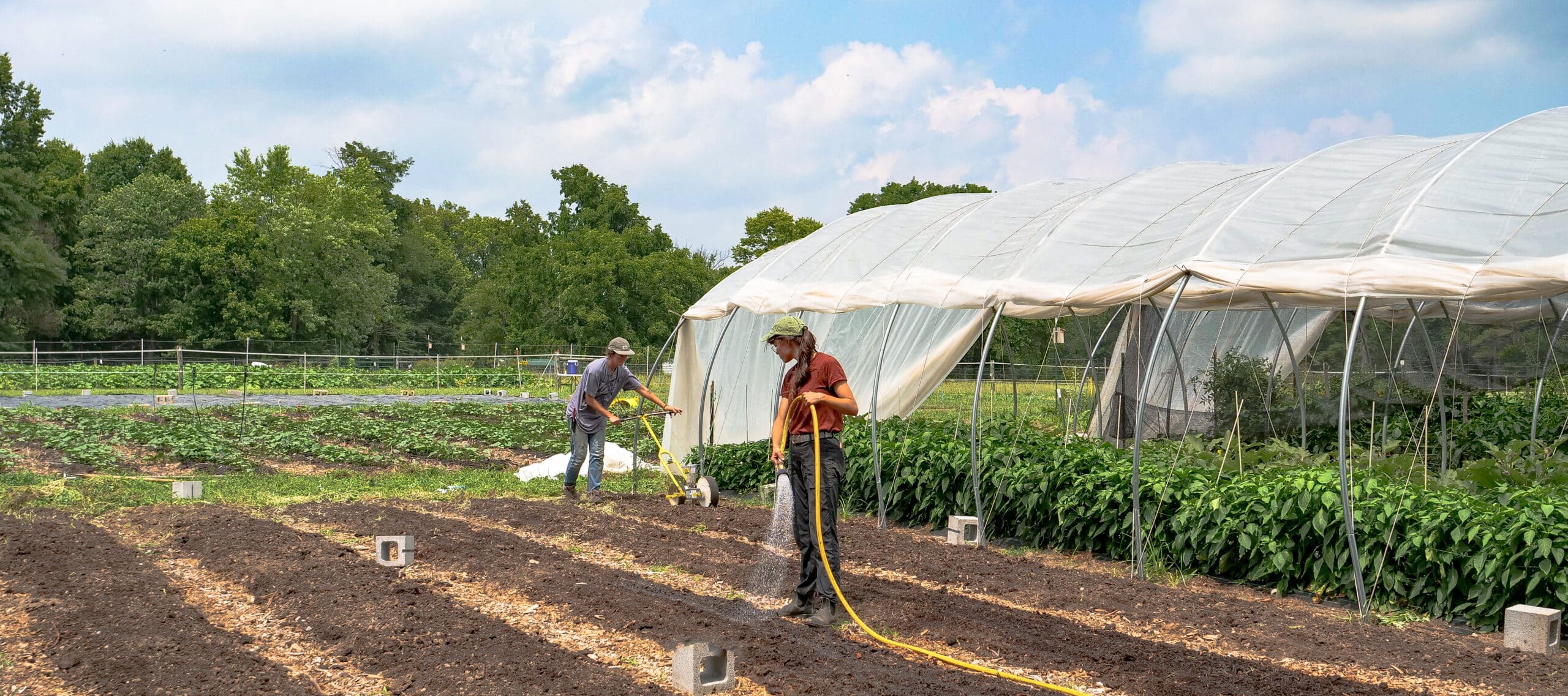
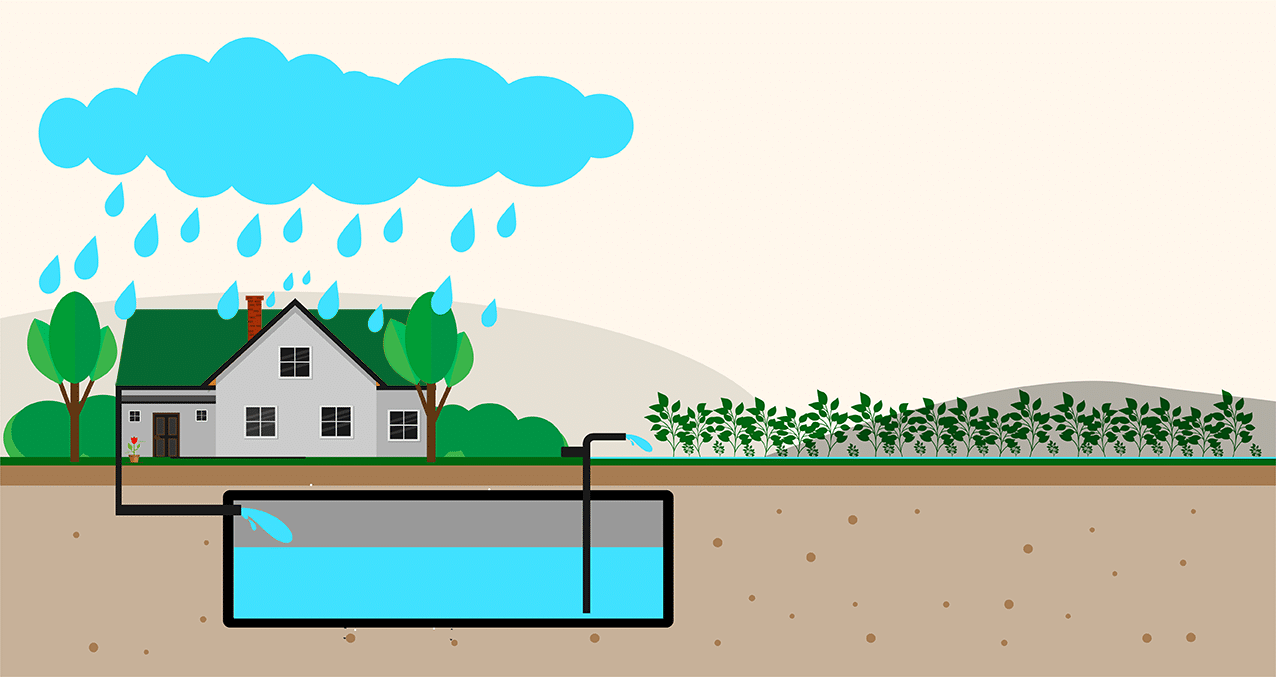
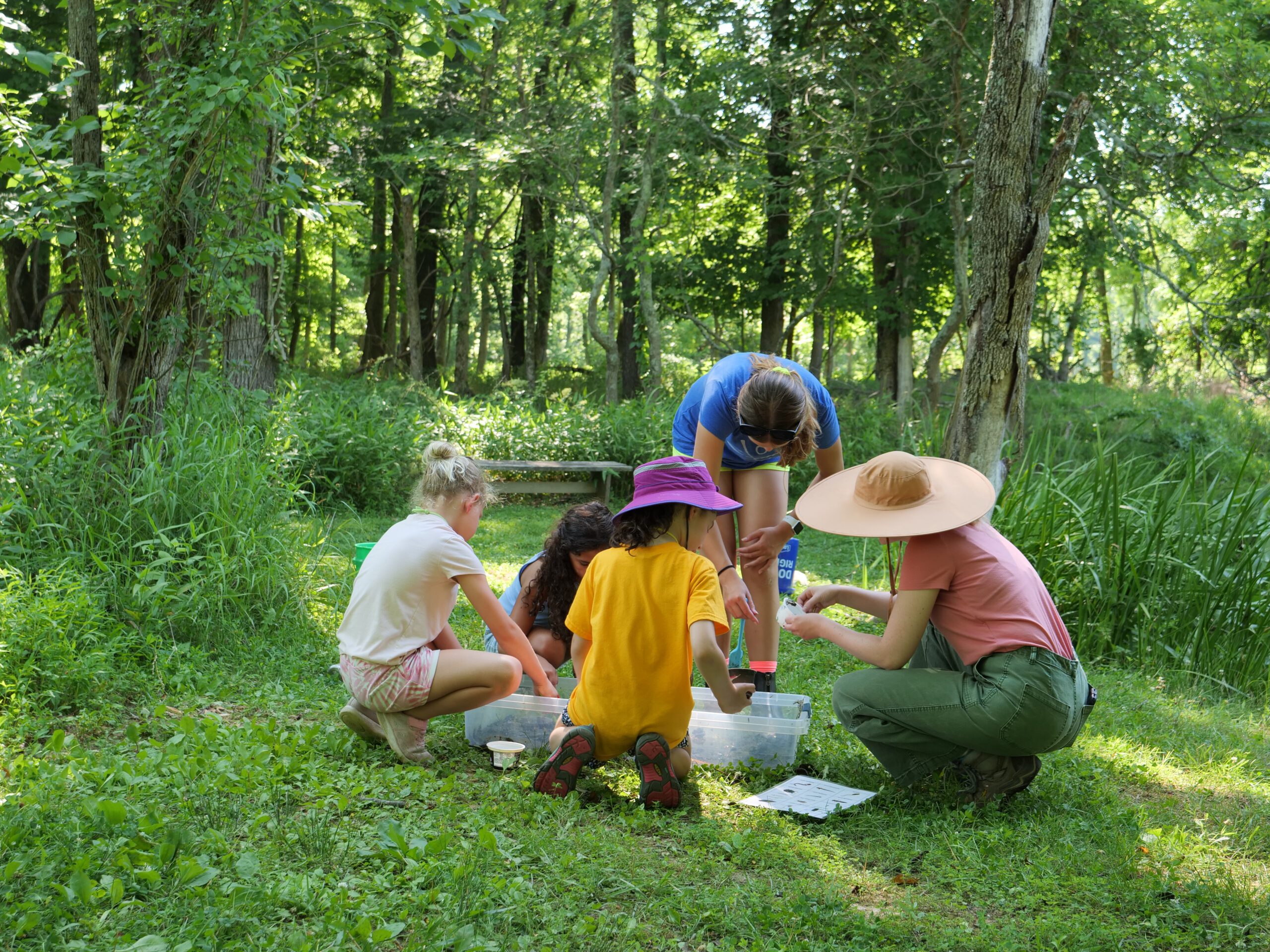
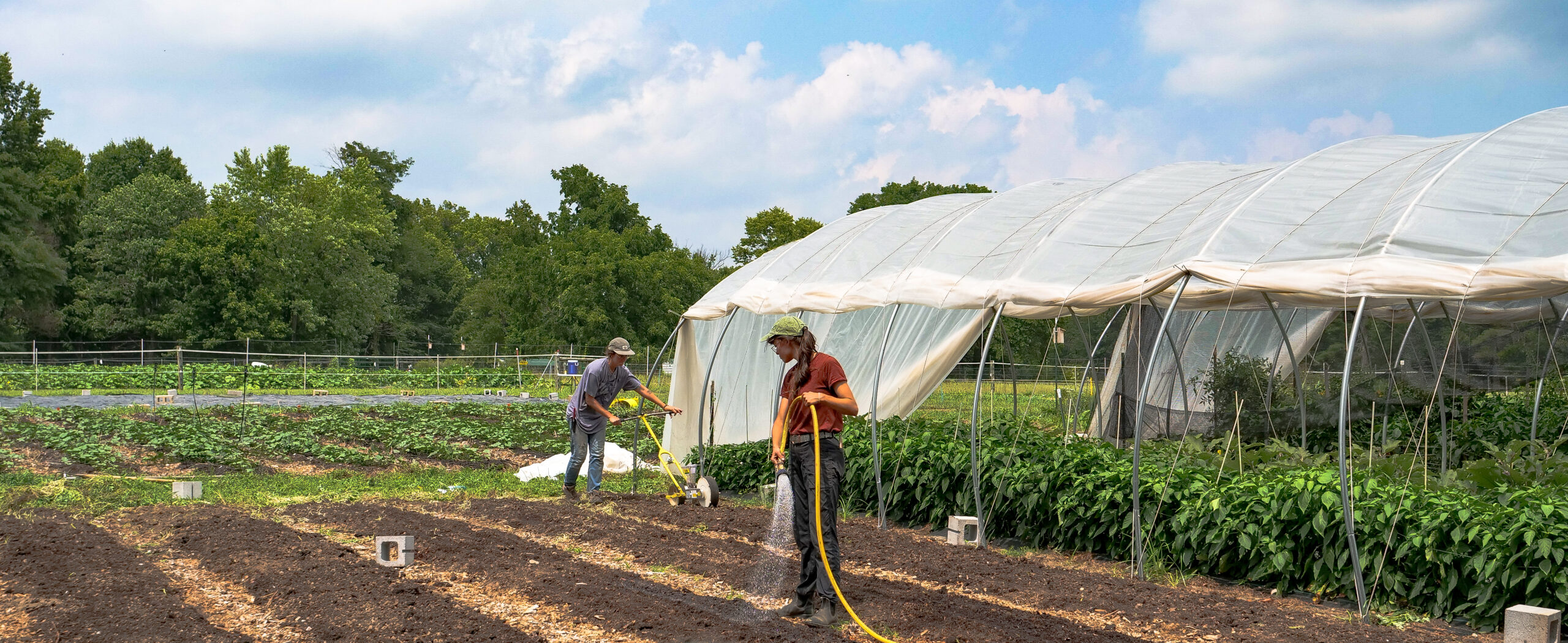
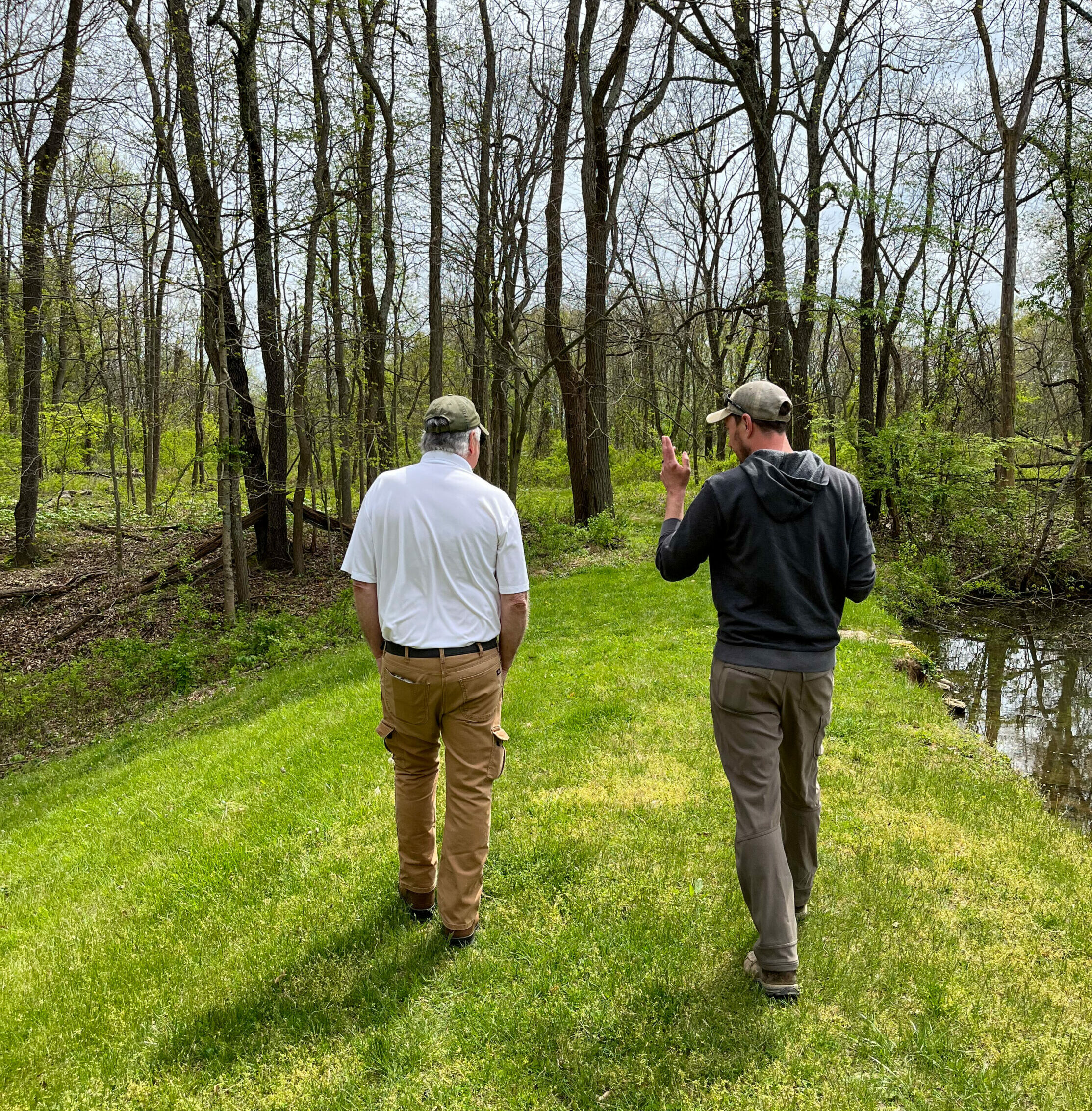
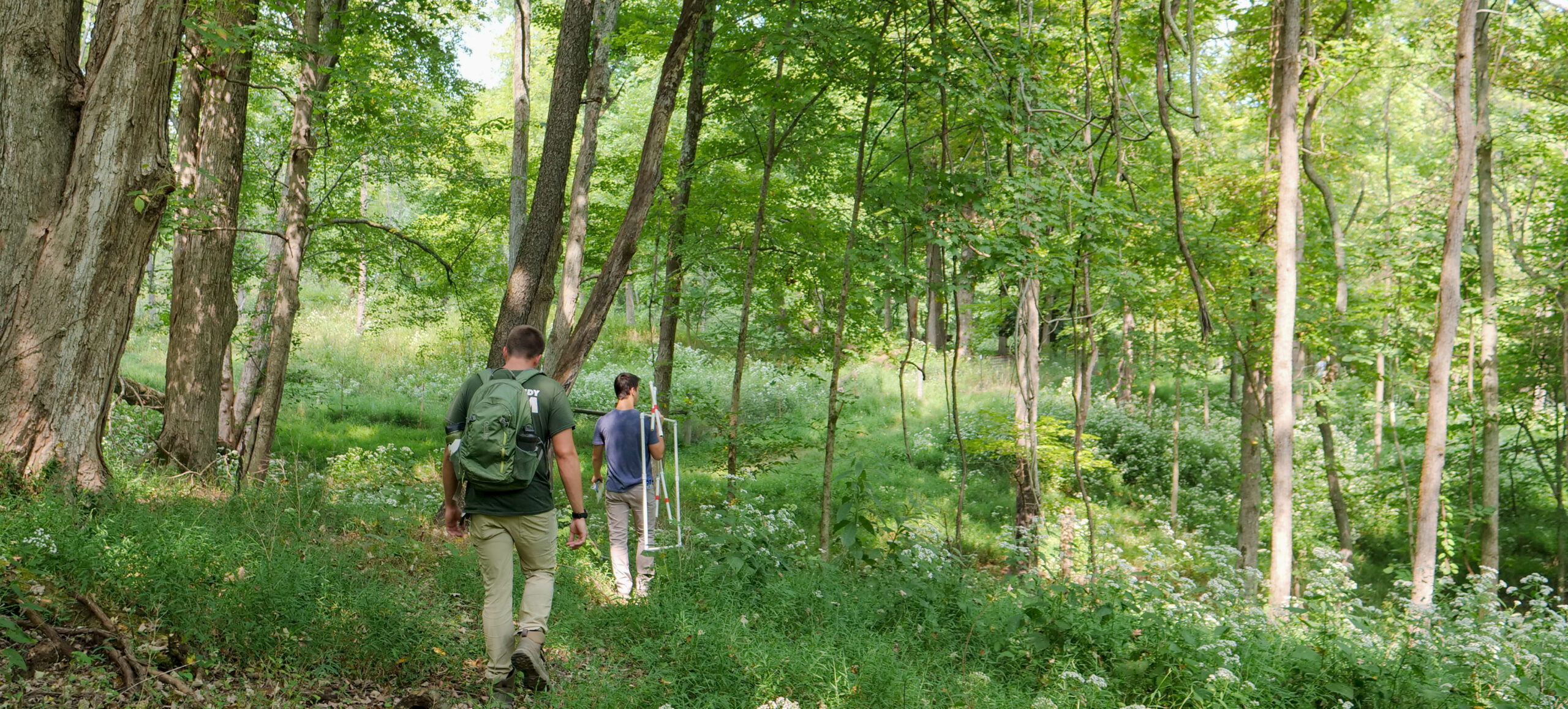
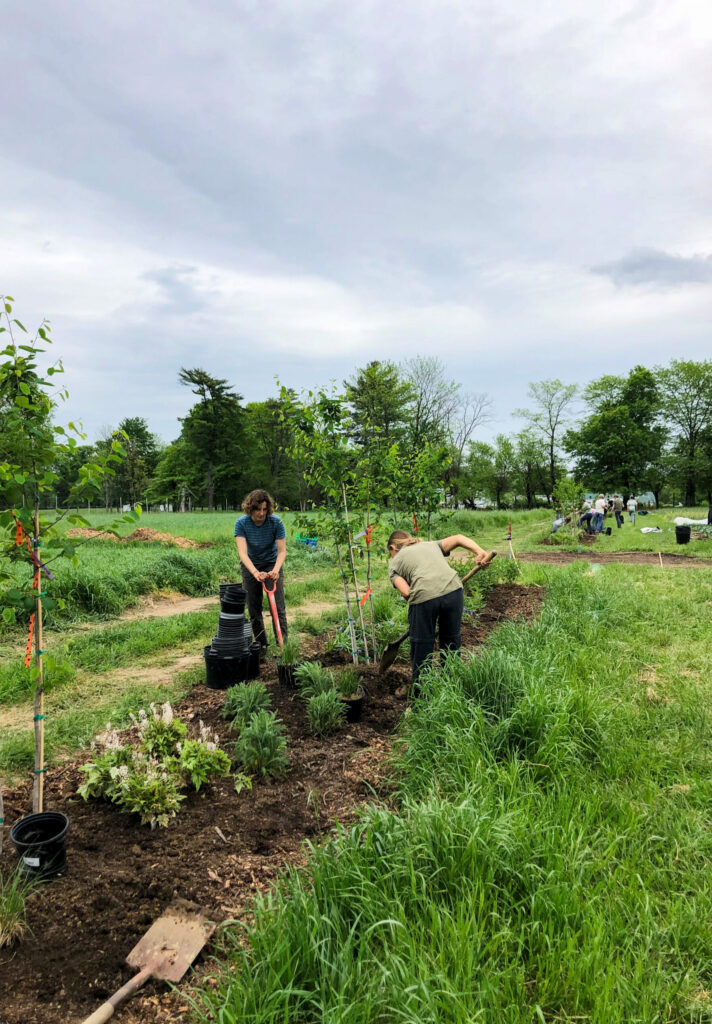
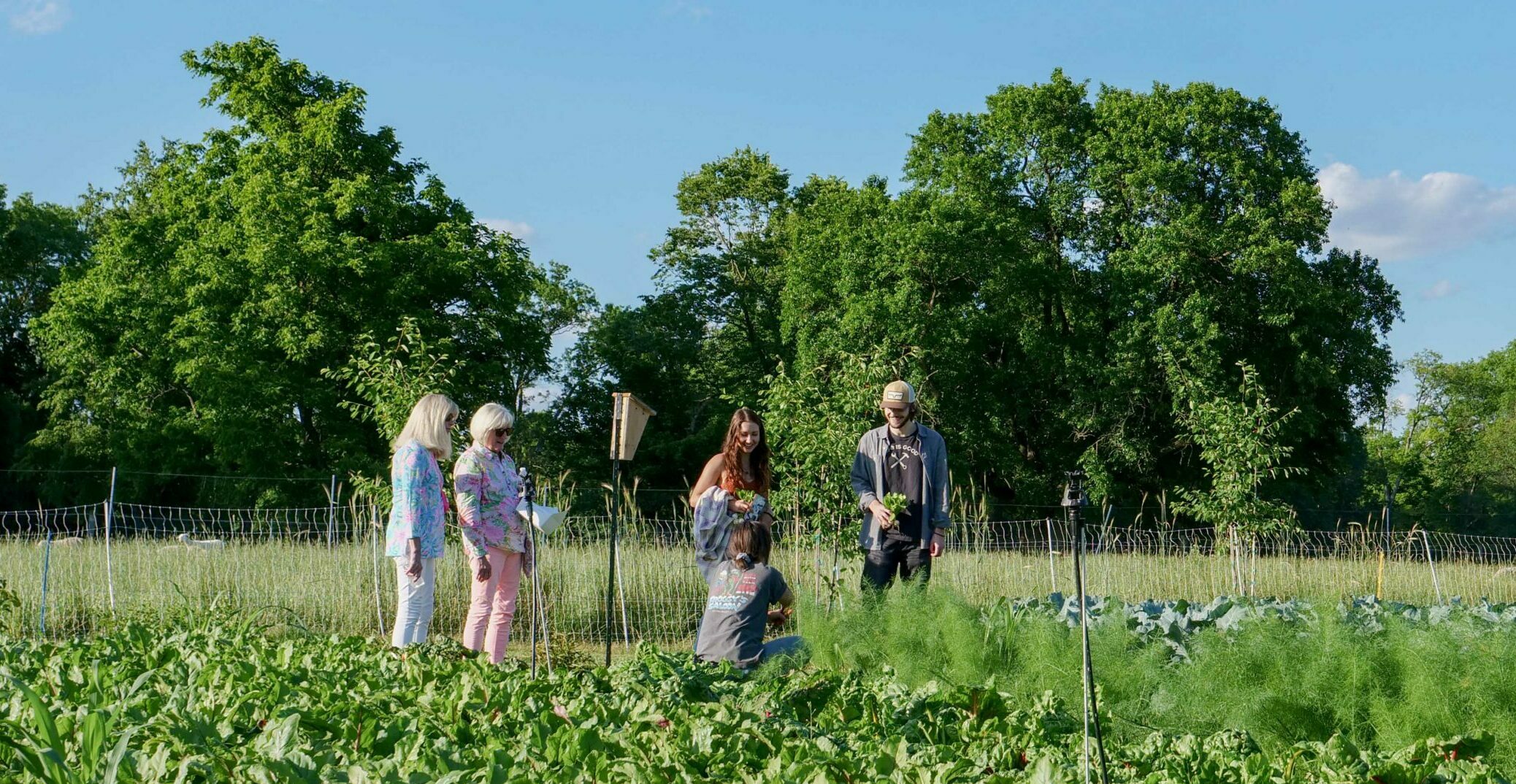
Greenacres is a generative place, which means we build up everything we touch. We enhance the minds of children through hands-on lessons designed to help teachers impart difficult concepts. We enrich the soil through our grazing and rotation methods and improve our garden soil using Ley Farming. We maintain our woods by controlling invasive species, allowing native species to thrive—a continuous challenge as new invasives arrive. Our systems are designed to influence runoff, ensuring that water entering the aquifer or stream is clean. We invest in our employees and apprentices by sending them to conferences and learning opportunities, helping them make decisions based on best practices and sound science. We advance global knowledge by funding university research and conducting our own research at Greenacres.
We know that everything we generate must hold truth and must be rooted in fact. This is why we spend the time conducting thorough research.
I always thought truth was a given in daily life, based on facts, analysis, and sound science. Over time, I learned that truth is not that simple. Today, what is true often depends on your point of view. At Greenacres, we strive to ensure our positions are based on facts developed through sound science. To support this, we conduct and fund research with the goal of getting articles published in peer-reviewed journals. The peer-review process is crucial because it ensures an independent review of the research design and methodology, confirming adherence to scientific standards.
It’s important to remember that science advances through dissent. For example, it took 1,200 years from the first suggestion that the world is not flat until it was widely accepted. Truth must be based on sound science, which must allow and promote dissent that challenges current beliefs.
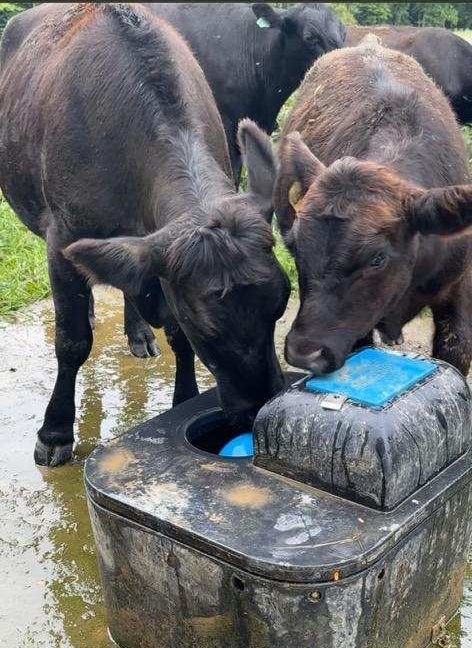
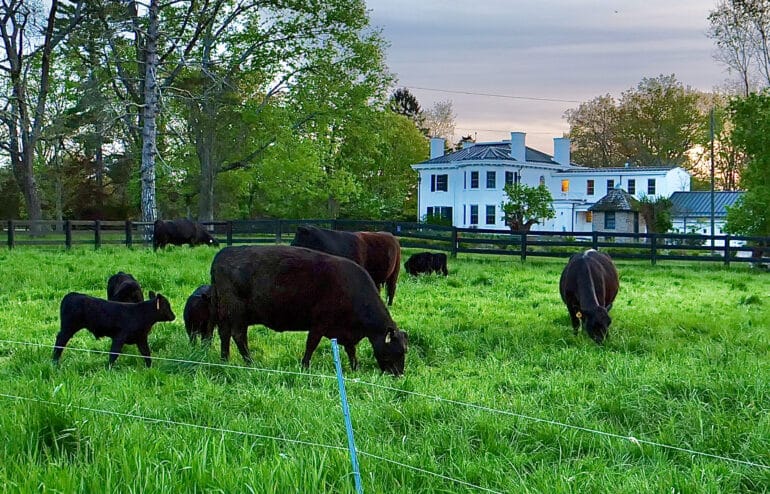
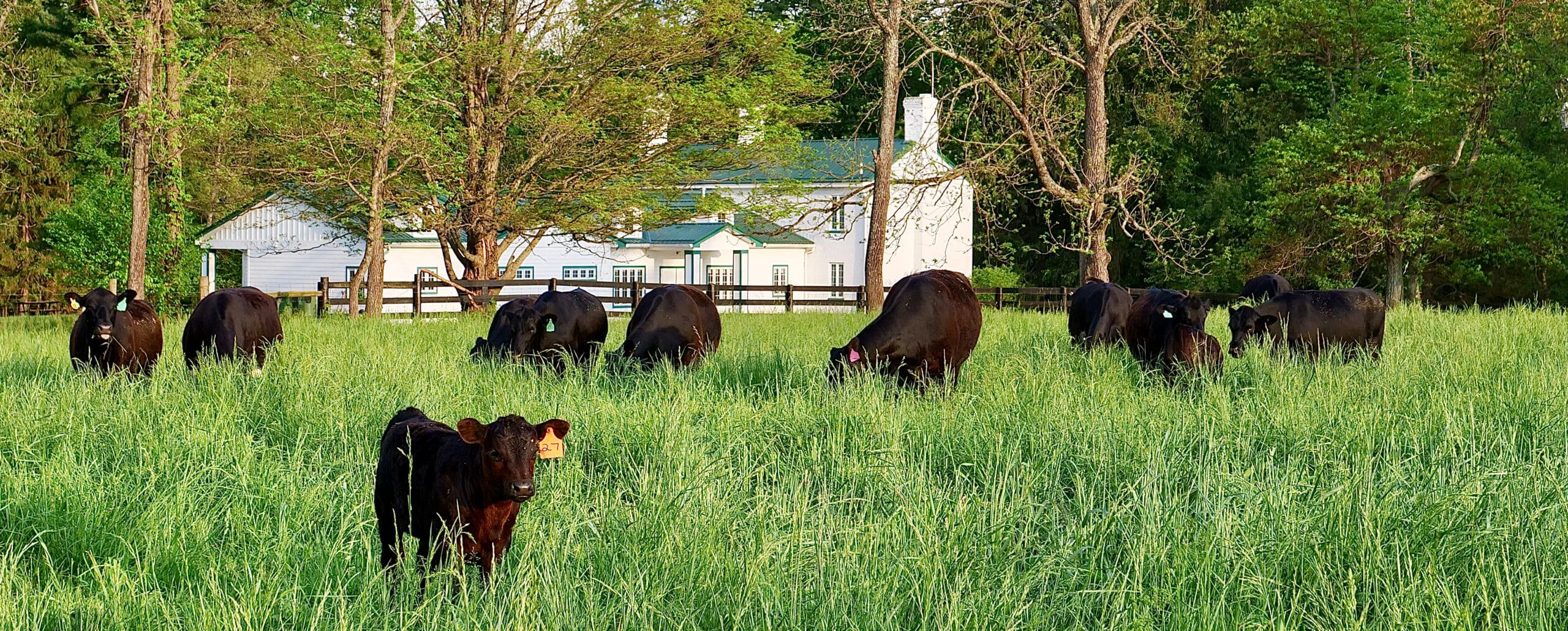
Consider the belief that cows cause global warming due to methane emissions. A thorough scientific evaluation shows a different story. When cows manage grass pastures through rotational grazing, they help sequester carbon in the soil, making them net reducers of greenhouse gases. At Greenacres, our pastures sequester over 55 metric tons of carbon annually at a depth of 30 cm, thanks to grazing cattle. The truth is more complex than just methane emissions from cows; it requires examining the total ecosystem impact. While this sound science might not be popular, it is supported by facts.
We are committed to ensuring that our understanding of the truth is always grounded in sound science and open to challenge and refinement. Greenacres is generative because we want to build a better future for everyone and for the earth.