
American Burying Beetle Conservation at Greenacres
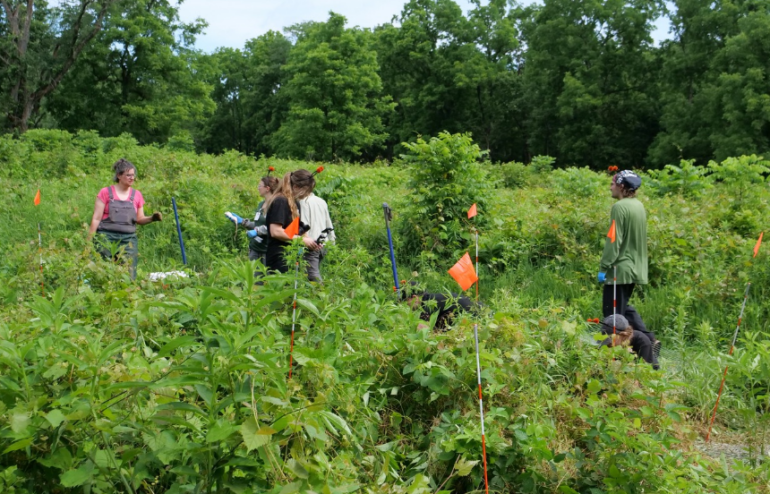
Beneath the soil at Greenacres, a new generation of an endangered species is beginning to emerge. The American Burying Beetle (ABB) is federally listed as threatened and designated as endangered in Ohio. Once found across much of the eastern and central United States, this species has experienced significant population declines. Today, Greenacres Foundation and the Cincinnati Zoo & Botanical Garden are working together to better understand the species and support its recovery in Ohio.
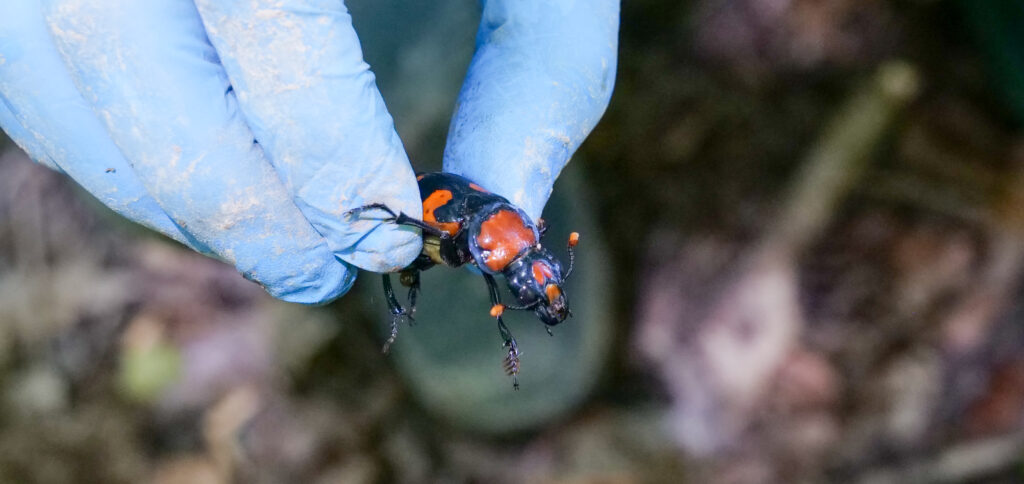
American Burying Beetles play an important role in their ecosystems. They serve as decomposers of small animals due to their reproductive habits. ABBs locate small animal carcasses, bury them underground, and use them as a food source for their developing young. Understanding how these beetles reproduce, develop, and survive through changing seasons is essential to helping the species recover. Over the past 15 years, insect experts at the Cincinnati Zoo have developed a successful ABB breeding program and releasing these beetles throughout Ohio is a current goal.
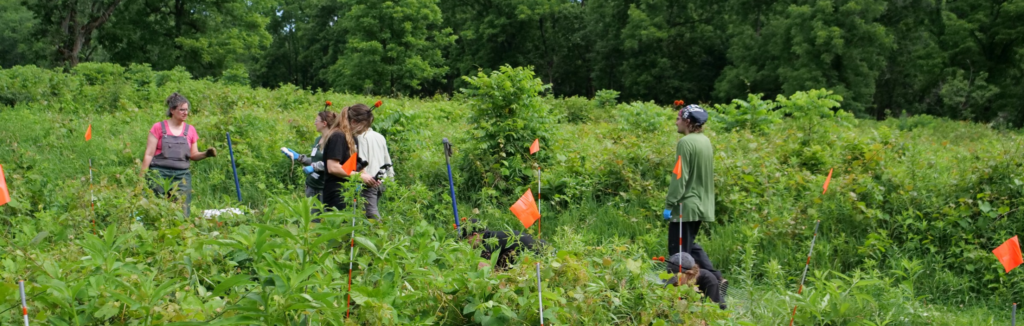
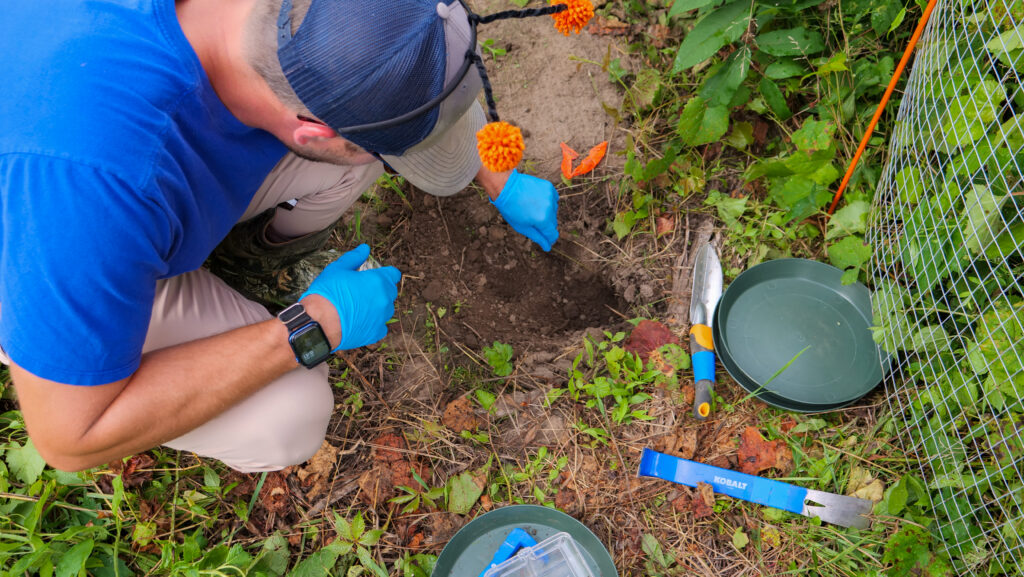
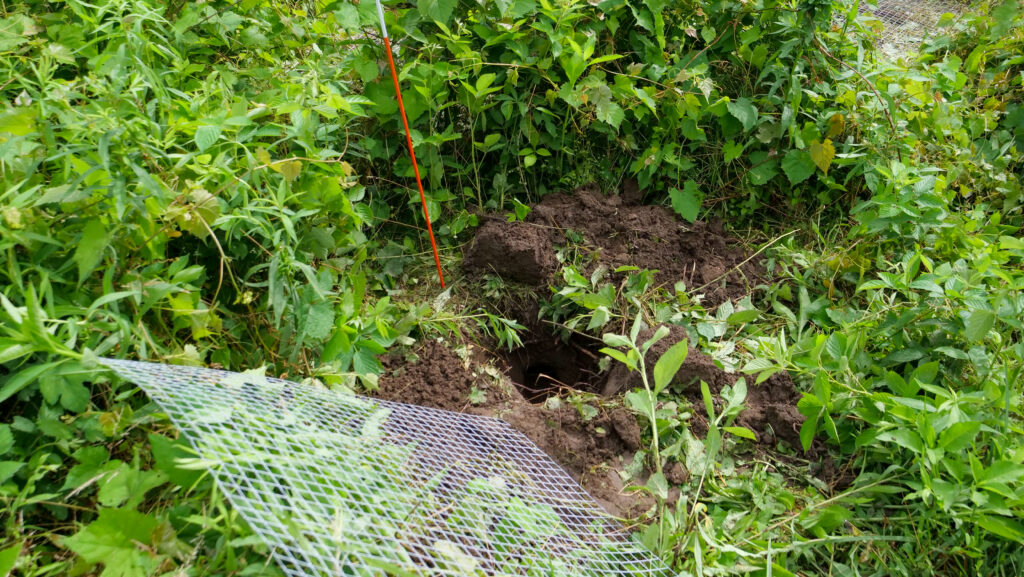
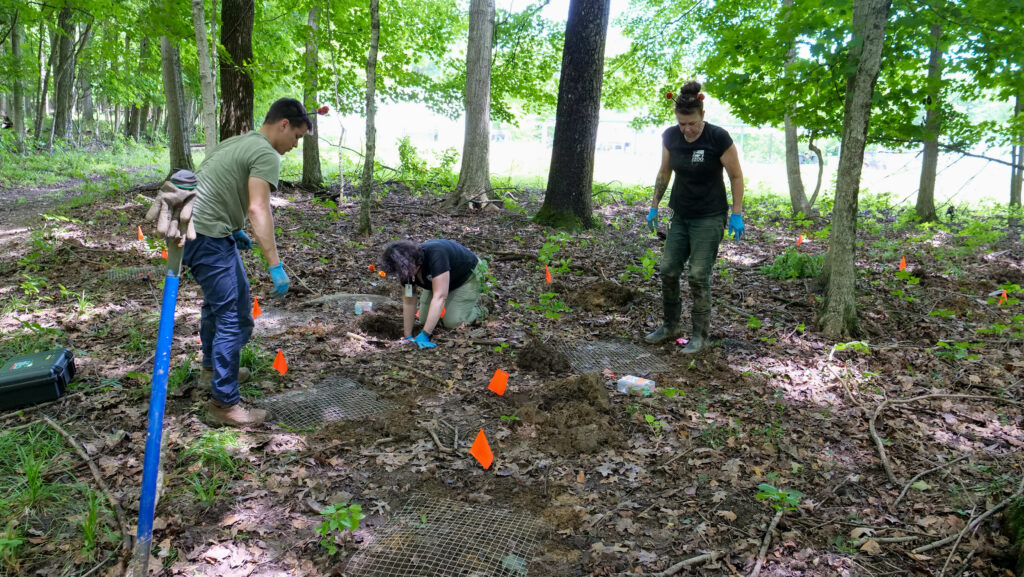
In June 2026, the partnership took an important step toward that goal. Staff from Greenacres and the Cincinnati Zoo released 156 breeding pairs across two sites at Greenacres. Each pair was placed in a prepared underground chamber, or crypt, with a rat carcass to provide food for the beetles and their offspring.
Just two weeks later, researchers returned to a subset of the release chambers to look for evidence of reproduction. At the Greenacres Old Church site, approximately one-third of the monitored chambers contained larvae. In total, researchers documented 372 larvae, an encouraging early sign that the beetles were reproducing following the release.
But the work did not stop there. The next question was whether those young beetles would survive and emerge as adults.
From Larvae to Adults
Beginning August 10, researchers began trapping American Burying Beetles at Greenacres. The effort continued through September 4, with the goal of monitoring the population and learning more about the beetles’ activity and movement.
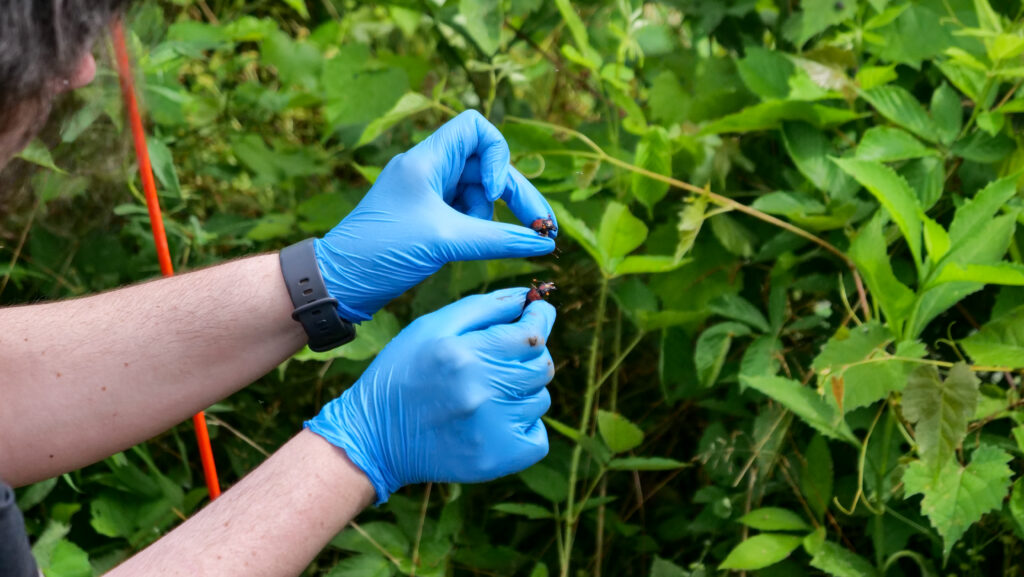
During the trapping period, researchers captured two beetles, one male and one female. Both were tagged to identify them as individuals born and emerged at Greenacres.
Finding these beetles marked an exciting milestone for the partnership. Their presence provides evidence that at least some beetles from the initial release successfully developed from larvae into adults. One female was captured approximately three-quarters of a mile from her original release location, demonstrating that she had emerged and traveled across the property.
For the Cincinnati Zoo and Greenacres, capturing two locally emerged beetles during the project’s first year is an exciting result. Each discovery helps researchers build a clearer picture of how the species is responding to the release and moving across the property.
Exploring New Approaches
As researchers continue to study the beetles, they are also exploring whether the timing and method of release can influence their success.
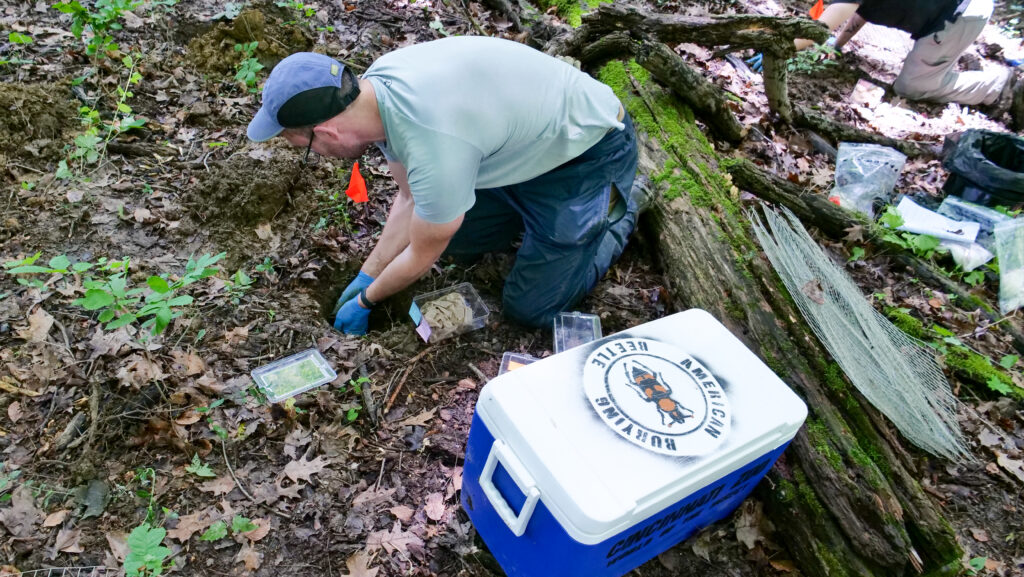
In September, the Cincinnati Zoo & Botanical Garden released individual American Burying Beetles at Greenacres that had previously been part of its breeding program. With their time in the breeding program complete, the release offered these beetles an opportunity to live in the wild. Unlike the summer release, which introduced breeding pairs, this approach involved placing one beetle in each small hole in the ground. The release took place during cooler fall temperatures, providing the beetles with an opportunity to establish themselves in their natural environment.
The Cincinnati Zoo & Botanical Garden is also piloting a staggered breeding release at Greenacres this fall. The process follows the same approach used in June: researchers prepare an underground chamber, place a rat carcass inside, and introduce a breeding pair. By staggering the timing of releases, the Cincinnati Zoo hopes to investigate an important question: Do American Burying Beetles overwinter as larvae?
Building Knowledge for the Future
Restoring an endangered species takes time, patience, and a willingness to learn from each stage of the process. From the first breeding-pair release in June to the discovery of beetles born and emerged at Greenacres, each step has added to the partnership’s understanding of the American Burying Beetle.
The documentation of 372 larvae and the subsequent capture of two adult beetles offer encouraging early findings. Meanwhile, the individual and staggered breeding releases provide additional opportunities to investigate how release timing and seasonal conditions may affect the species.
Through its partnership with the Cincinnati Zoo & Botanical Garden, Greenacres is contributing to a broader effort to reestablish American Burying Beetle populations in Ohio. As research and monitoring continue, the discoveries made at Greenacres will help researchers better understand the needs of this endangered species and guide future conservation efforts.
Learn More About the American Burying Beetle
Want to see the conservation effort in action? Explore these news stories and videos to learn more about the American Burying Beetle release at Greenacres and the collaborative work to help restore this rare species in Ohio.
-
-
- Watch the Local 12 story to see how Greenacres and the Cincinnati Zoo & Botanical Garden are working together to support the species.
- Read the Cincinnati Zoo’s release announcement for more about the project and its conservation goals.
- Watch the American Burying Beetle release video on YouTube for a closer look at the release.
- Watch additional video coverage on Facebook to see more of the conservation work in action.
-