
Year: 2026

29 Apr 2026

Grilled Chuck Roast

Grilled Chuck Roast

This grilled chuck roast is marinated in a simple blend of garlic, balsamic vinegar, olive oil, and spices, then cooked over high heat for a flavorful, tender result. Sliced thin against the grain and finished with flaky sea salt, it’s a straightforward way to prepare a hearty cut of beef with rich, balanced flavor.

Ingredients
  

  • 4 Cloves of Garlic
  • 1/2 cup Balsamic Vinegar
  • 1/4 cup Extra Virgin Olive Oil
  • 1 Tbsp Kosher Salt
  • 1 Tbsp Fresh Ground Black Pepper
  • Chuck Roast approx. 2 lbs. about 1 1/2" thick
  • Flaky Sea Salt

Instructions
 

  • Whisk together in a large bowl: garlic, vinegar, oil, Kosher salt, and black pepper.
  • Add chuck roast and turn to coat. Refrigerate in the marinade. Turn the roast halfway through marinading. The roast should be marinaded between 12-24 hours.
  • Preheat grill for medium-high heat. Allow to heat for 5 minutes before adding roast. Grill the chuck roast, turning every 5 minutes, until an instant-read thermometer reads 120°F for rare, 125°F for medium-rare, and 135-140°F for medium. The cooking time should be approximately 20-30 minutes.
  • Transfer meat to a cutting board. Allow the roast to rest for 10 minutes. Thinly slice against the grain. Season with flaky sea salt before serving.
17 Apr 2026

Grounded: Student Filmmakers Explore Agriculture Through Collaboration with Greenacres

Grounded: Student Filmmakers Explore Agriculture Through Collaboration with Greenacres

Produced in partnership with Interlochen Arts Academy and Greenacres Foundation, Grounded highlights hands-on learning in agriculture, connecting students directly with working farms, research, and the broader systems that shape food and land stewardship.

From Idea to Completion: Greenacres and Interlochen’s Documentary Grounded

In 2022, Greenacres Foundation partnered with Interlochen Center for the Arts on an ambitious documentary project exploring regenerative agriculture and its connection to land, food systems, and human experience. What began as an idea between Interlochen Film & New Media leadership and Greenacres has now become a completed feature-length documentary titled Grounded.

The film, created by Interlochen Arts Academy students alongside faculty and guest artists, will premiere at the RiverRun International Film Festival in Winston-Salem, North Carolina, with additional screenings taking place on April 19 and April 23, 2026.

Greenacres as a Living Classroom

Greenacres was an active supporter of the project from the very beginning. With a focus on educating young people, encouraging future farmers, and building a deeper understanding of food systems, the foundation first pitched the idea of a film to Interlochen and ultimately funded the project.

Once production was underway, Greenacres welcomed student filmmakers and faculty onto its farms in Indiana and Ohio. There, students observed and documented agricultural practices while learning directly from Greenacres staff and researchers.

These visits gave students hands-on exposure to soil health, pasture management, livestock systems, and the broader ecological relationships that shape agricultural decision-making. For many, it was their first opportunity to engage with agriculture in a working research and education setting.

Greenacres staff also provided context on regenerative farming systems and the foundation’s ongoing work in education, conservation, and land stewardship, helping ground the film’s narrative in real-world practice.

A Collaboration Rooted in Learning

Throughout production, Grounded evolved into a student-led exploration of food systems, sustainability, and the complexities within agricultural language and practice. According to Interlochen, the project involved nearly 170 students, faculty, and guest artists over multiple years of production.

Co-director Claire Collins reflected on the meaning behind the film’s title, noting its layered significance:

“It uses the word ‘grounded’ to describe both the journey of teenagers as they are becoming young adults, as well as a deeper connection to the earth through soil regeneration.”

Director of Film & New Media Michael Mittelstaedt emphasized the importance of student-driven storytelling and lived experience in shaping the project:

“The film aspires to tell a human, accessible story that will emotionally connect with, inspire and educate audiences, empowering them with knowledge to act.”

The documentary reflects not only what students learned through research and interviews, but also what they discovered through direct experience on farms and in agricultural learning environments like Greenacres.

Looking Ahead

With production now complete, Grounded is beginning its festival run, with its world premiere at RiverRun International Film Festival in April 2026. Additional viewing opportunities, including local screenings, are expected later this year.

Greenacres is proud to have supported a project that connects students to working agricultural systems and encourages deeper understanding of where food comes from and how land is cared for over time.

More information about the film and screenings can be found here:

More information about the original announcement can be found here:
https://green-acres.org/arts-and-agriculture-in-new-documentary-film/

Stay tuned for future updates on additional viewing opportunities for Grounded later in the summer or fall of 2026.

About Interlochen Center for the Arts

The nonprofit Interlochen Center for the Arts is a recipient of the National Medal of Arts and the only organization in the world that brings together a 3,000-student summer camp program; a 500-student fine arts boarding high school; opportunities for hundreds of adults to engage in fulfilling artistic and creative programs; two 24-hour listener-supported public radio services (classical music and news); more than 600 arts presentations annually by students, faculty and world-renowned guest artists; and a global alumni base spanning nine decades, including leaders in the arts and all other endeavors. For information, visit Interlochen online at www.interlochen.org.

About Greenacres Foundation

Greenacres Foundation is an Ohio-based nonprofit and underwriter of the project. The foundation’s work focuses on education, conservation and generative agriculture with an emphasis on encouraging appreciation of nature by providing the public, particularly children, opportunities to study plant and animal life in their natural settings. For more information, visit Greenacres online at www.green-acres.org.

31 Mar 2026

Osso Buco

Osso Buco

This traditional osso buco brings out the full richness of beef shank through slow braising and layered flavors. The meat is seared, then simmered with vegetables, red wine, tomatoes, and fresh herbs until fork-tender. The result is a deeply savory, comforting dish with a rich sauce, perfect for serving over pasta, mashed potatoes, or rice.

Ingredients
  

  • 3 Tbsp vegetable oil
  • 1 Tbsp all-purpose flour
  • 2 lbs beef shank
  • 2 carrots, diced
  • 1 onion diced
  • 2 to 3 stalks celery, sliced
  • 3 cloves garlic
  • 2 Tbsp tomato paste
  • 14 oz crushed tomatoes
  • 2 cups red wine
  • 1 cup beef broth or water
  • 2 to 3 sprigs fresh thyme
  • 1 sprig fresh rosemary
  • 2 bay leaves
  • 1 tsp dried oregano
  • Sea salt and black pepper

Instructions
 

  • Remove the thawed shank from the refrigerator about one hour before cooking. Pat dry and cut small slits in the outer membrane. Season generously with salt and pepper.
  • Prepare the vegetables by dicing the carrots, onion, and celery. Lightly coat the shank with flour. Heat oil in a heavy pot or Dutch oven over medium-high heat and sear the beef until browned on all sides. Set aside.
  • In the same pot, add remaining oil and cook the vegetables over medium heat until browned and softened. Stir in garlic and tomato paste and cook briefly. Add red wine to deglaze the pot, allowing it to reduce.
  • Tie the herbs together and add them to the pot along with bay leaves, crushed tomatoes, and broth. Return the beef to the pot, ensuring it is mostly submerged in liquid.
  • Bring to a boil, then reduce to a gentle simmer. Cover and braise for 3 to 3.5 hours, checking occasionally and adding liquid if needed. The dish is ready when the meat is fork tender. Serve over pasta, mashed potatoes, or rice.
20 Mar 2026

Around Greenacres – Winter 2026

Around Greenacres - Winter 2026

Winter Stewardship in Practice

Winter brings both challenge and opportunity in livestock care, requiring thoughtful management to ensure animals remain healthy, comfortable, and productive.

As temperatures drop, animals naturally require more energy to maintain body heat. Providing high-quality hay becomes essential, supporting increased forage intake during colder periods. A visible sign of this resilience can often be seen in a dusting of snow resting on a cow’s back, an indicator of effective insulation and overall health.

Protection from wind is equally important. Natural features such as tree lines and hills, along with built structures, provide shelter that reduces stress and conserves energy. At the same time, careful attention is given to balancing nutrition. Each batch of hay is tested to ensure proper levels of energy and protein, supporting digestion and overall herd health.

Water access remains one of the most complex winter challenges. With freezing temperatures limiting standard systems, the team adapts by filling multiple stock tanks and using strategies to keep water moving and accessible. Reliable hydration continues to be critical, even in the coldest conditions.

Winter management also extends to the land. Rotational grazing practices shift with the seasons to protect soil health. During muddy conditions, frequent movement prevents compaction, while frozen ground allows for longer stays in one area. Manure distribution during this time contributes nutrients back into the soil, supporting future pasture productivity.

Through careful attention to animals and the land, winter becomes a season that reflects Greenacres’ commitment to stewardship and long-term sustainability.

Exploring Heritage Breeds

In 2025, the Research and Livestock teams collaborated on a study exploring the role of heritage breeds in Greenacres’ livestock program.

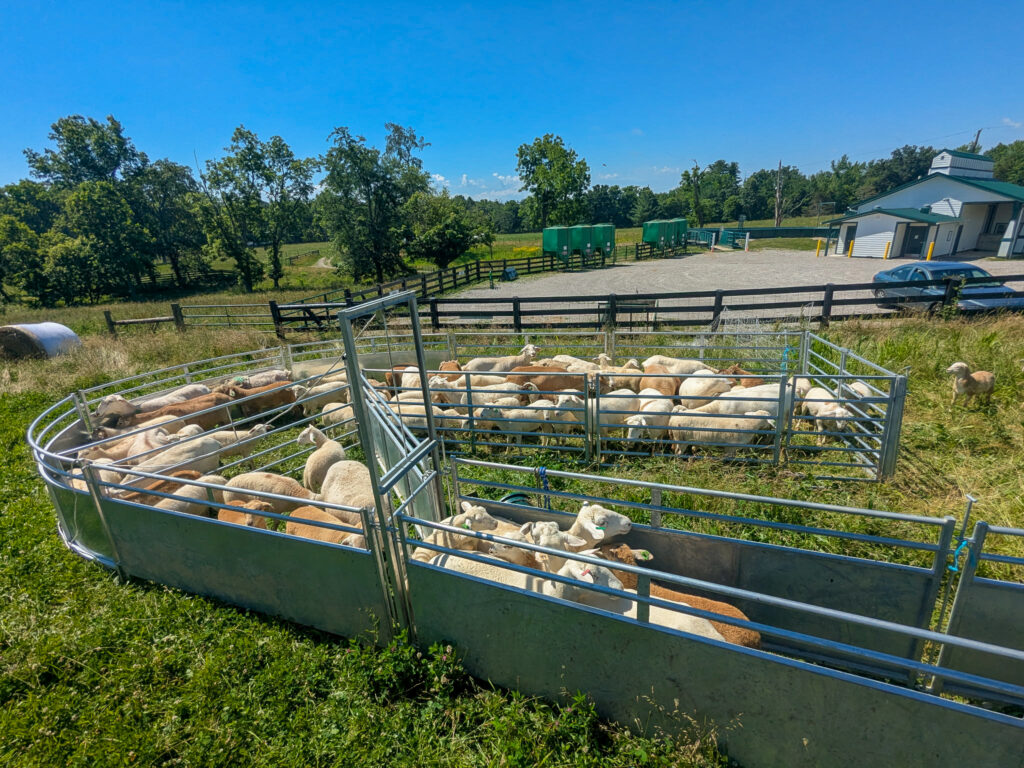
While Berkshire pigs and Cornish Cross broiler chickens have been raised for their reliable production characteristics, the team sought to better understand how these breeds compare to heritage alternatives. The study evaluated four heritage broiler chicken breeds and five heritage pig breeds, tracking feed intake, measuring feed conversion efficiency, and conducting blind sensory evaluations with a Greenacres staff tasting panel.

The results offered valuable insights. Heritage broiler chickens required significantly more feed and, unexpectedly, were generally rated as less flavorful than Cornish Cross chickens. Among pig breeds, differences in flavor and efficiency were minimal across the groups studied.

These findings will help guide future decisions. In 2026, the Livestock team will continue raising Cornish Cross broilers while expanding their experience with Red Wattle cross pigs alongside Berkshire pigs. This work reflects an ongoing commitment to research-informed practices that balance productivity, quality, and sustainability.

An Evening of Music at the Arts Center

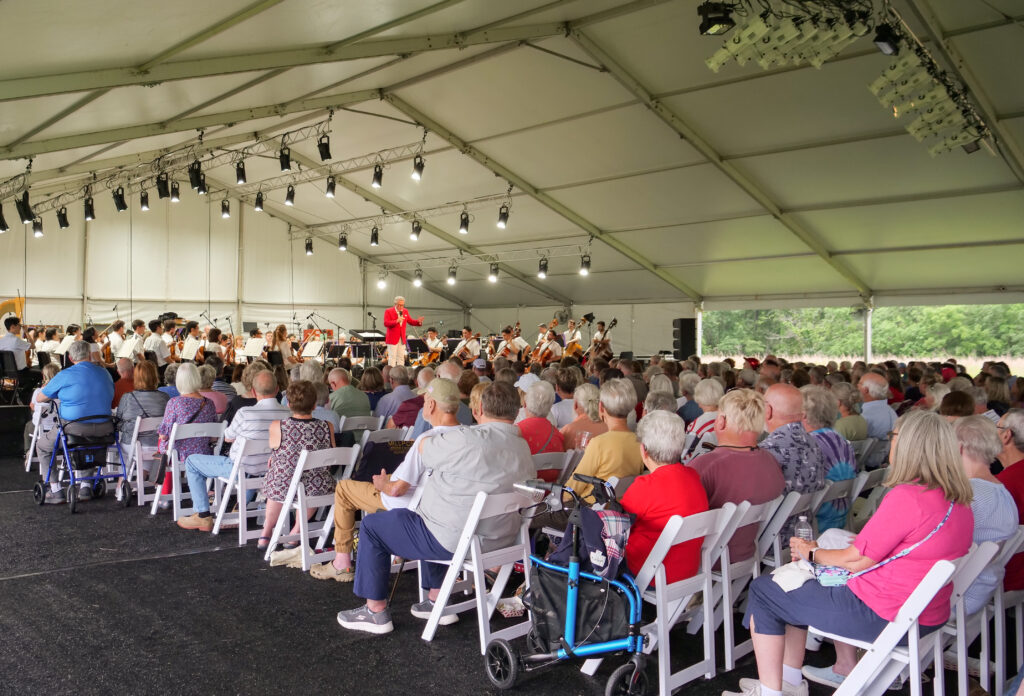
In January, Greenacres welcomed 60 guests to the Arts Center for an evening centered on music, history, and shared experience.

The Organ and the Opera featured the historic Aeolian Pipe Organ, installed in 1926, brought to life through a dynamic performance by Dr. Christopher Holman. The program included organ transcriptions of well-known operatic overtures by composers such as Mozart, Verdi, and Bizet. He was joined by soprano Cynthia Holman, whose expressive voice added depth and richness to the evening’s selections.

The performance concluded with a question-and-answer session, offering guests the opportunity to engage more deeply with the music, the artists, and the history of the instrument.

Attendees described the evening as joyful, engaging, and memorable, highlighting both the quality of the performance and the intimate setting of the Arts Center. The event reflected Greenacres’ ongoing commitment to connecting people with the arts in meaningful and accessible ways.

Additional Aeolian Pipe Organ programs are planned for later this fall, continuing this tradition of bringing music and history together in a shared space.

Craftsmanship Rooted in Place

This winter, the Buildings and Grounds team completed projects that highlight both functionality and a deep respect for materials sourced from the land.

At Nippert Barn, custom drying racks were constructed to support educational programming. Built from reclaimed Douglas fir that once served as floor joists in the barn, the wood was carefully milled and shaped into new forms. These racks will be integrated into one of our Farm to Market field trip programs, where students will learn how herbs and flowers are dried for use in wreaths and bouquets. A natural linseed oil and beeswax finish was applied to preserve the wood and extend its life.

At Spooky Hollow Farm, a handcrafted bird sanctuary was created to support local wildlife. The structure incorporates black locust harvested from Greenacres property, along with copper elements repurposed from the roof of the Nippert House. Through forging and careful shaping, these materials were transformed into a functional and visually striking habitat feature.

Together, these projects reflect a thoughtful approach to building, where reuse, craftsmanship, and purpose come together to support both education and the natural environment.

A Year of Growth, Connection, and Discovery

One year into programming at both Nippert Barn and Michaela Farm, the Education team has cultivated meaningful learning experiences rooted in agriculture, environment, and community.

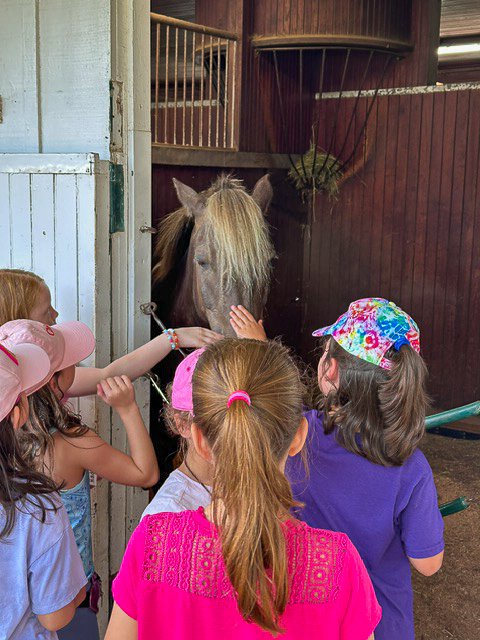
At Nippert Barn, the team welcomed approximately 135 school field trips and Exploring with Grace programs, alongside Family Discovery Times, a family-style farm-to-table experience, and eight weeks of summer camp. These programs created opportunities for learners to engage directly with the rhythms of the farm, from exploring animal genetics to participating in hands-on market simulations.

Collaboration has been central to this work. A close partnership between Nippert Barn Education and the Farm Market team has allowed students to experience the farm as a connected system. Weekly coordination between Farm Market Manager Katie Albert and Site Supervisor Hanna Berwanger ensures programming remains dynamic and relevant. Students gain insight into real farm operations, from egg washing to product preparation, while staff across departments deepen their understanding of how education and agriculture intersect.

The team also strengthened partnerships with Cincinnati Public Schools’ Agricultural Pathways programs, designing curriculum-aligned experiences and custom programs that connect classroom learning to real-world applications.

At Michaela Farm, Education programs reached over 2,200 students and 600 adults through 95 field trips and programs, along with four weeks of summer camp and continued participation in community events such as Holiday Under the Spires and Freudenfest.

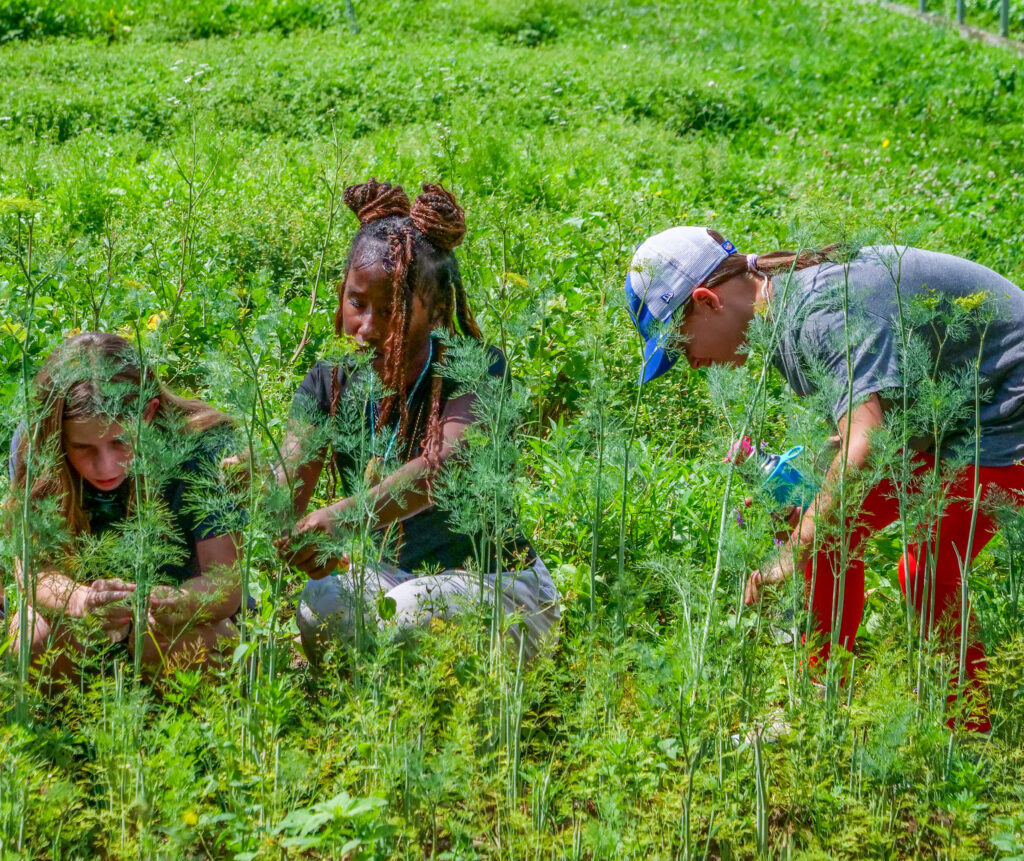
The strength of Michaela Farm lies in its culture of collaboration. Education staff regularly work alongside garden, livestock, and Farm Market teams to create immersive, interdisciplinary experiences. Whether students are harvesting in the garden, collecting eggs, or learning about farm products, these interactions reflect a shared commitment to hands-on learning.

Partnerships with local schools, including Oldenburg Academy and Batesville School District, have created opportunities for repeat visits throughout the year. These ongoing relationships allow educators to build upon previous lessons and foster deeper connections with students over time. Participation in Batesville’s Bulldog Readiness Program has further expanded these relationships, connecting educators with teachers and increasing awareness of available learning opportunities.

Looking ahead, both sites are preparing for a vibrant summer season. Nippert Barn will host camps such as Fairytales at the Barn, Camp Green: Summertime Adventures, and Barn Breakout, while Michaela Farm will welcome back favorites like Fun on the Farm, Farm to Market, and introduce a new arts and agriculture hybrid camp. New field trip offerings, including animal tracking and expanded agriculture-based programming, will continue to grow the reach and impact of Education across Greenacres.