
Around Greenacres – Spring 2026
Around Greenacres - Spring 2026
Growing Access: Expanding the Reach of Summer Camp
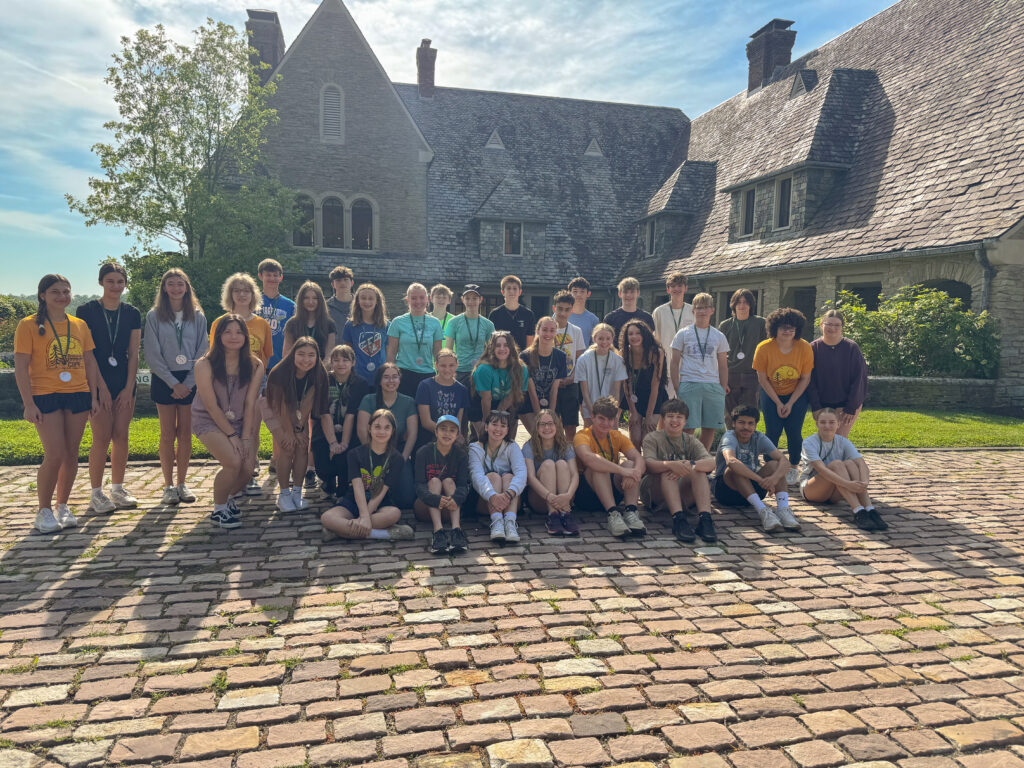
This spring, Greenacres partnered with the Community Learning Center Institute (CLCI), one of our Exploring with Grace (EWG) partners, to expand access to our summer camp experiences. Through this new initiative, 66 campers are participating in Greenacres summer camps free of charge.
Over six weeks, students are joining both full-day and half-day camps at our Indian Hill and Miami Township Community Center locations, where they are exploring gardens, meeting animals, discovering ecosystems, and learning alongside their peers. This initiative represents an important first step toward making outdoor education more accessible and creating opportunities for more young people to experience the wonder of Greenacres.
This summer also marks another exciting milestone for our youth programs with our largest Leaders in Training (LIT) group to date. Forty-four young leaders are spending their summer building confidence, developing leadership skills, and helping create meaningful experiences for younger campers.
Healthy Soil, Thriving Pastures: Exploring Organic Amendments
Every healthy pasture begins beneath the surface. At Greenacres, our Research team continues to explore how soil management practices can improve agricultural productivity while supporting long-term ecosystem health.
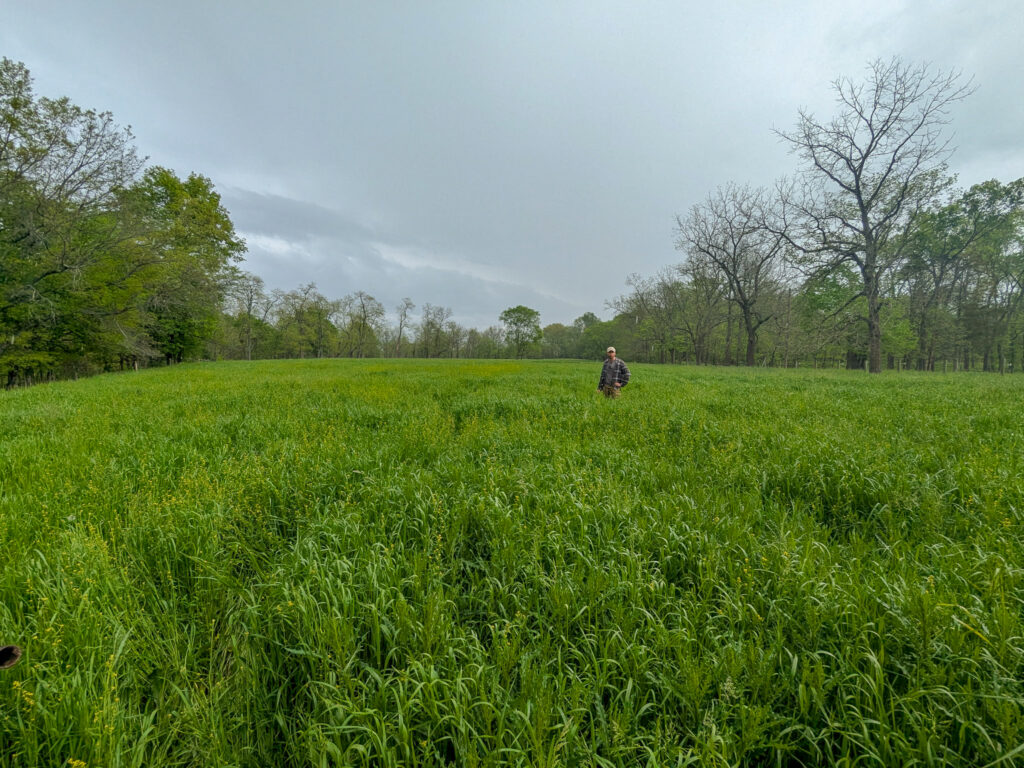
For years, Greenacres has used bale grazing to naturally enrich the soil before establishing new pastures. When this approach did not produce the expected results in two Lewis Township pastures, it sparked a new research question: Could other organic amendments better support pasture establishment?
The Research team evaluated compost, poultry litter, and a microbial slurry across sites with different fertility levels. Preliminary findings showed that poultry litter significantly improved grass establishment and forage yield in lower fertility soils. In higher fertility soils, poultry litter increased soil organic carbon and nitrogen, though it did not significantly affect pasture growth.
While the study continues, these early findings reinforce an important principle of land stewardship: healthy ecosystems require thoughtful, site-specific approaches. By sharing these insights, Greenacres helps provide farmers and land managers with valuable information to support resilient agricultural systems.
A Living Partnership: The Hedgerow Comes Into Its Own
What began as a collaborative planting effort in the spring of 2024 has grown into a thriving habitat filled with new life. With the help of Greenacres staff and volunteers, the largest hedgerow in Greenacres history was planted as a permanent living asset within our production spaces.
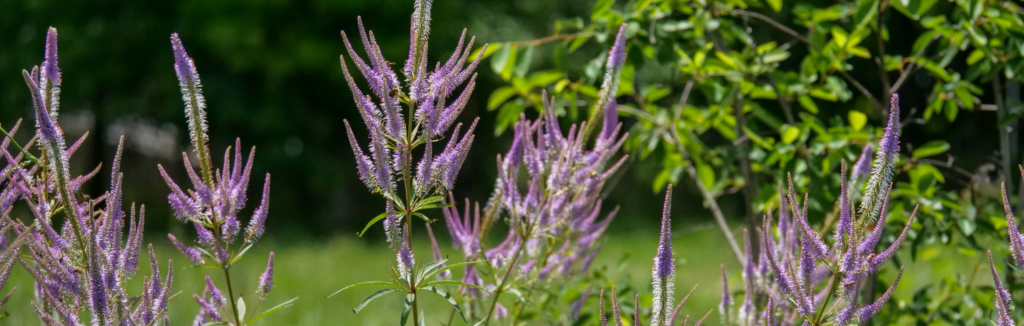
Made up primarily of native plants, the hedgerow was carefully designed to welcome beneficial birds and insects that help create a balanced and resilient garden ecosystem. As the planting entered its third growing season, it began reaching a new stage of maturity, with stronger roots, increased growth, and a growing ability to support surrounding life.
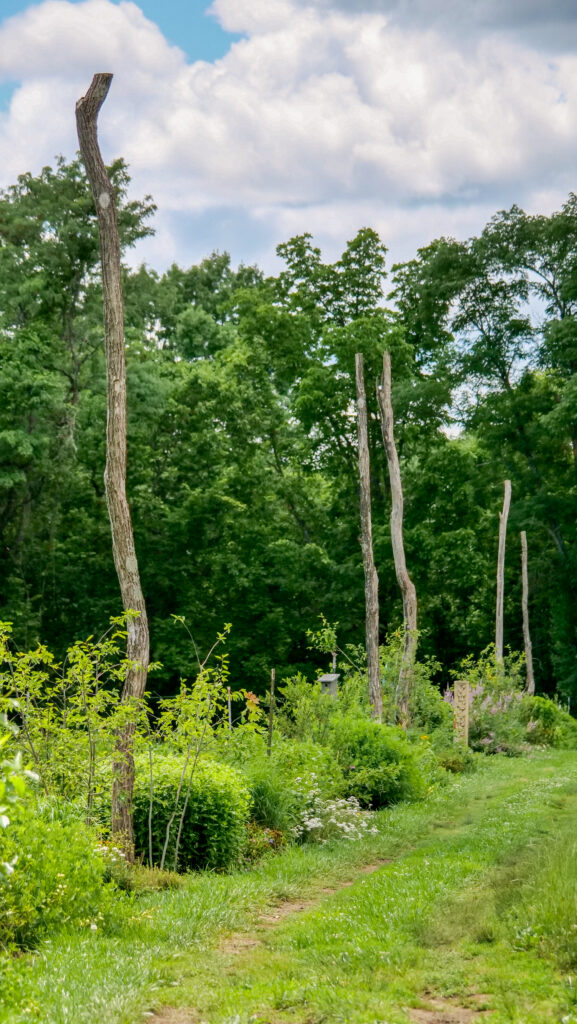
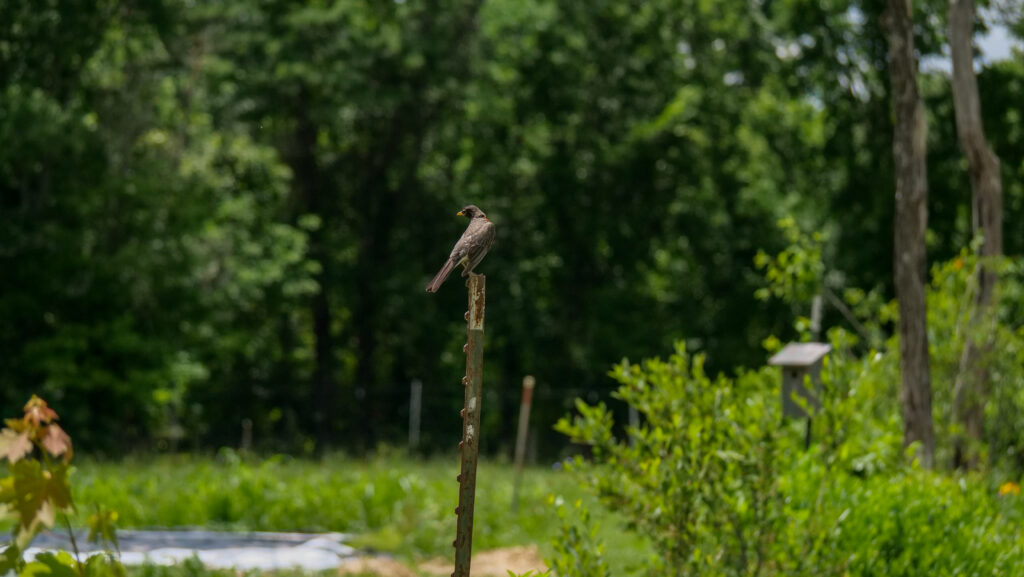
To further enhance the habitat, the Garden team added hawk posts and birdhouses, creating even more opportunities for wildlife to thrive. Through ongoing monitoring with our Research team, Greenacres documented a 27% increase in bird populations compared to 2023, with those numbers remaining consistent in the years since.
While we continue to study the full impact of the hedgerow, our Garden team observed reduced pest pressure and a greater presence of beneficial species throughout the production areas. This living partnership between plants, insects, birds, and people demonstrates the power of working with nature to create healthier, more diverse agricultural systems.
Sharing Knowledge, Strengthening Communities
The work of Greenacres reaches beyond our farms through education, research, and a commitment to sharing knowledge with our broader community.
This spring, our Livestock team welcomed local firefighters and law enforcement officers for a First Responder Livestock Emergency Training. Through hands-on experiences with cattle and horses, participants learned how to safely approach and move animals, understand flight zones, load and unload trailers, and respond more confidently during emergencies involving livestock.
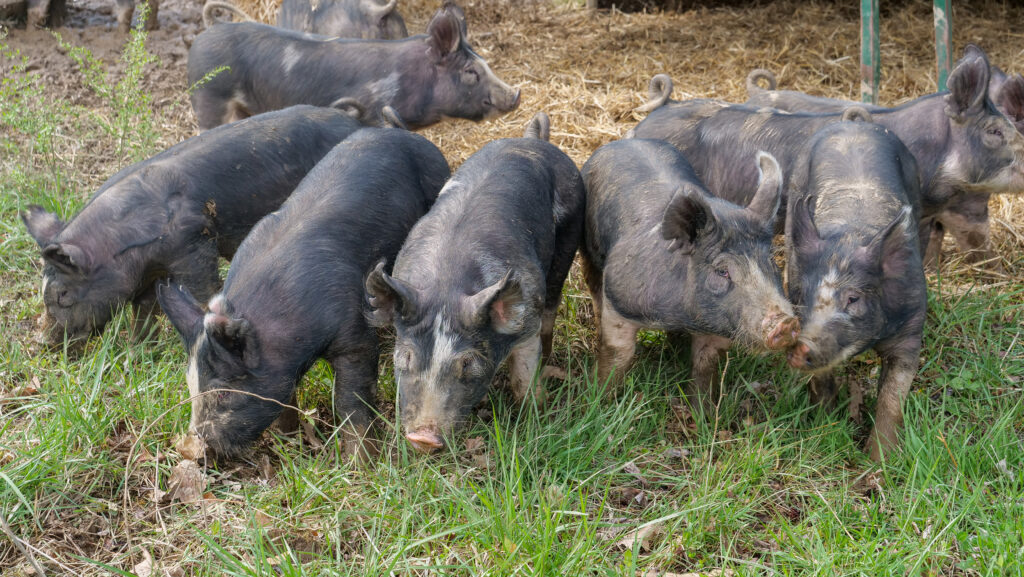
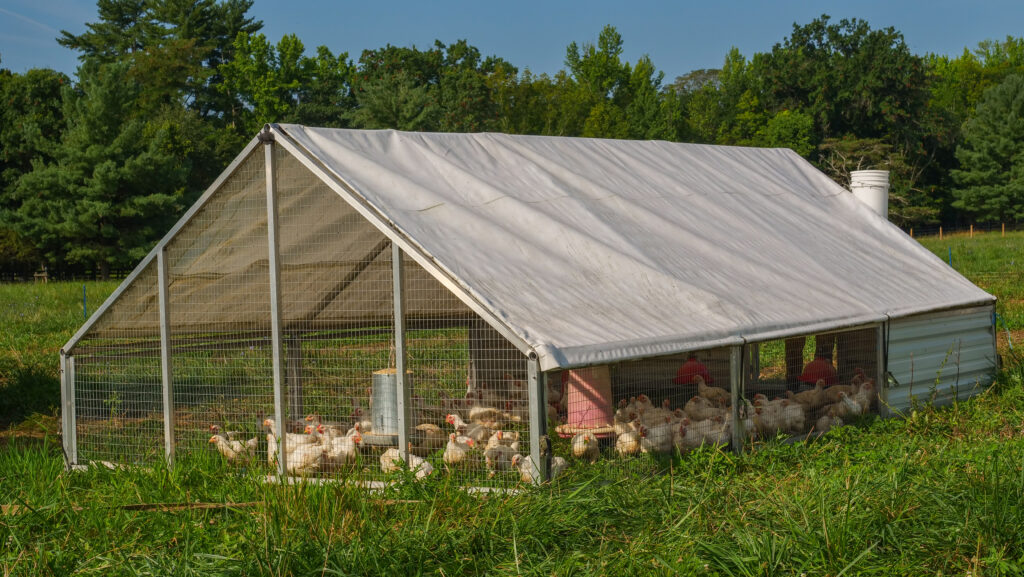
The team also shared research findings with approximately 40 farmers and aspiring producers at the Ohio Ecological Food and Farm Association (OEFFA) conference. The presentation highlighted a Greenacres research project comparing different breeds of hogs and meat chickens, evaluating feed efficiency, production costs, and meat quality through blind taste testing.
The findings challenged common assumptions around heritage breeds. Heritage meat chickens required significantly more feed without providing a flavor experience preferred over the standard Cornish Cross breed. For hogs, most heritage breeds showed similar production efficiency and flavor profiles, while Idaho Pasture Pigs required more feed and resulted in higher production costs.
By conducting research and openly sharing the results, Greenacres helps farmers make informed decisions without requiring them to take on the financial risk of testing these questions themselves. Whether preparing first responders to care for animals during emergencies or equipping farmers with practical research, these efforts reflect Greenacres’ commitment to education, research, conservation, and being a good neighbor.
Exploring the Connection Between Farming and Human Health
In May, Greenacres welcomed community members to Nippert Barn for an evening focused on a question that connects all of us: How do the ways we grow food influence the food we eat and our overall well-being?
Guests gathered for Human Health Impacts of Farming Practices, beginning the evening with a cocktail hour featuring appetizers prepared with Greenacres-grown products. The conversation continued with Greenacres Senior Director of Research and Agroecology Chad Bitler and metabolomics expert Dr. Stephan van Vliet, who shared the final results of their collaborative research project, Regenerative Farming Systems and Their Impact on Food Quality and Human Health.
Together, they explored the connections between farming practices, nutrient density, and food quality, followed by a thoughtful question-and-answer session with attendees.
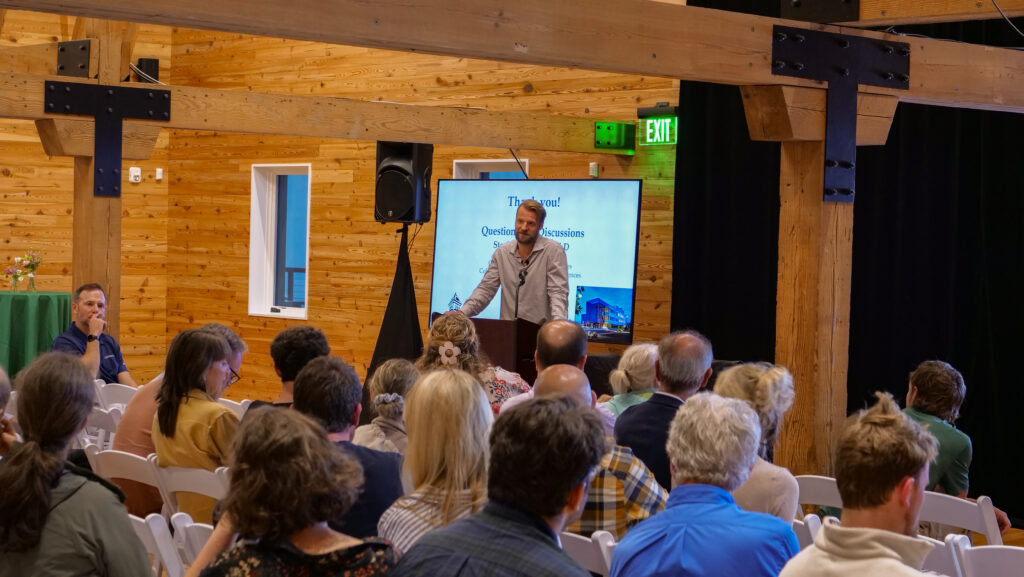
For those who were unable to join us, the presentation remains available to watch online.